

Have you ever noticed how yesterday’s numbers might give you a peek into tomorrow’s trends? That’s what predictive analytics is all about. It takes past data and smart techniques to guess what could happen next. Think of it like finding clues to solve a mystery before all the pieces are in place.
In this chat, I’ll show you how simple figures from sales, customer habits, and website visits can be turned into clear forecasts. These forecasts help you plan ahead and feel more secure by reducing surprises. So, let’s dive in and see how predictive analytics can boost the way you make decisions.
Predictive Analytics Defined: Understanding What Predictive Analytics Is

Predictive analytics uses past data, smart number-crunching techniques, and machine learning to give you a sneak peek of the future. It doesn’t just explain what happened; it offers a hint of what might be coming next. Imagine looking at customer spending habits to predict what they might buy next, it’s just like noticing patterns in everyday life that help you plan ahead.
At its heart, predictive analytics turns raw data from sources like CRM systems, sales records, website stats, and smart devices into clear forecasts. Think of a store owner checking last month’s sales to decide what stock to order for the next few weeks. This way, businesses can confidently plan for what’s ahead, using past behavior as a roadmap.
The process makes use of statistical models and machine learning tools that dig through big piles of data and find hidden patterns. Methods like regression analysis, decision trees, and neural networks help spot trends that aren’t obvious at first glance. Each of these tools works a bit differently, but all of them help uncover insights that guide smarter business choices.
Predictive analytics is like a trusted guide pointing out opportunities and risks before they become clear. For example, a bank might use these techniques to manage credit risks better, making sure they’re ready for any market changes. It’s not just about numbers, it’s about building a future where your decisions are backed by real data.
The Predictive Analytics Workflow: From Data Collection to Deployment

It all begins with gathering data from many different sources, like sales systems, CRM tools, web analytics, and even smart devices you might see in factories. Imagine a shop keeping track of daily sales to know which products need restocking. This raw data is then cleaned and checked for errors, making sure everything is reliable.
After that, we pick out the most important pieces of information, like choosing the best ingredients when cooking your favorite meal. Only the key factors that can truly impact the outcome are kept for the next steps.
With a neat and tidy dataset ready, we build predictive models using simple methods like regression analysis (a way to see how changes in one variable can affect another) or decision trees. Picture a bank training a model with old loan records to estimate how risky it would be to offer a new loan.
Once the models are trained, they are thoroughly tested to make sure their predictions are accurate. This check is crucial to confirm that the insights we get from the models will truly assist in making smart decisions when they go live.
- Data Acquisition
- Data Preparation
- Feature Selection
- Model Training
- Model Validation
- Deployment
what is predictive analytics: Elevate Your Data
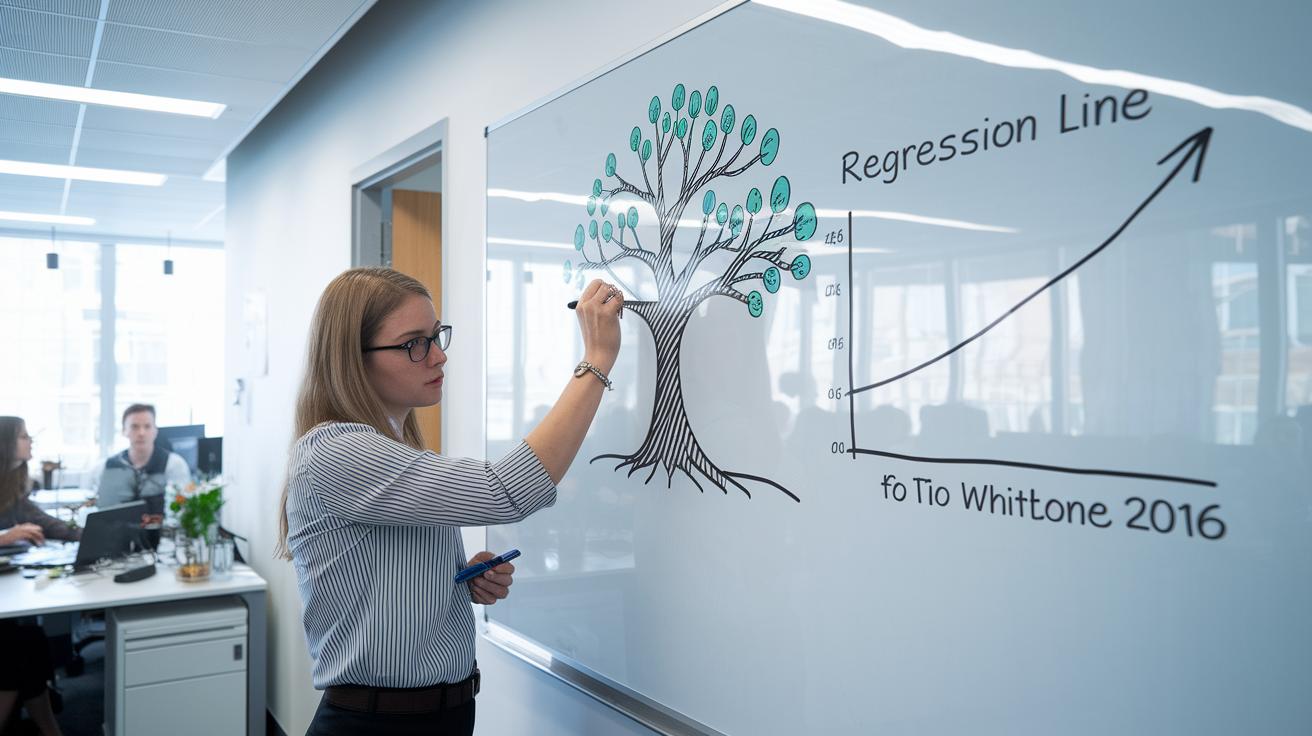
Predictive analytics is a smart way to use what happened in the past to guess what might happen next. It blends simple math models with computer learning techniques, kind of like training a new recipe, to turn old numbers into clear ideas about the future. A common start is regression analysis. This means looking at how things change together, much like noticing that lemonade sales jump on hot days. In fact, one big store even used regression to spot trends in sales history and predicted future demand with impressive accuracy.
Another neat tool is decision trees and random forests. Picture them as a roadmap where every branch shows a different future path. Each choice leads to a new possibility, making it simple to see how different factors connect. This approach gives you a clear, step-by-step guide to what might be coming.
Neural networks take the idea a step further by sifting through tough, tangled patterns, like spotting a hidden trail in a forest. They work like our brains by processing layers of information, helping you find trends that might otherwise slip by unnoticed. Imagine a master chef who can combine flavors perfectly just by tasting a dish; that's how these networks mix data to reveal secrets.
There are also methods like classification techniques, such as logistic regression and Naïve Bayes, that sort data into groups, almost like putting your mail into the right boxes. Clustering, another approach, gathers similar data points together and can be really handy when figuring out customer groups. Some key players in this mix include Random Forest, which handles both prediction and sorting, Generalized Linear Models for detailed breakdowns, Gradient Boosted Models to boost accuracy even more, and K-Means to efficiently group data points.
Predictive Analytics vs Descriptive and Prescriptive Analytics

Descriptive analytics helps you understand what has already occurred by looking at past events. Imagine checking last month’s sales numbers to see how many gadgets were sold, you get a clear picture of what happened without trying to guess the future.
On the other hand, predictive analytics takes that old data and uses it to make an educated guess about what might happen next. Think about noticing that sales often go up during a particular season; this method uses that pattern to forecast future trends, giving you a head start even when the future is a bit unclear.
Prescriptive analytics builds on these ideas by suggesting the best actions to take based on those predictions. It not only gives you a glimpse into what may come but also offers advice on how to act, much like a trusted friend sharing a smart plan for your next move.
Business Use Cases for Predictive Analytics: Key Applications

Predictive analytics is a real game changer for businesses. It takes huge amounts of raw data and turns it into clear, useful insights that help companies plan for what’s coming next. This means that firms can get a feel for how customers might behave, for example, a retailer might study past buying trends and decide which products to highlight during a busy season. It’s a bit like having a secret tip about your favorite store’s sale before it even starts.
Marketing teams also lean on these insights to fine-tune their campaigns. They dive into past trends to craft messages that hit just the right note, making sure every marketing dollar works hard for them. Imagine a team determining the perfect moment to send out an email blast, just when interest is peaking, it makes all the difference.
On the financial side, departments use predictive models to better forecast and manage risks. They can see ahead for bumps in expenses or revenue, much like checking the weather to know if you need an umbrella. In the banking world, these models help tailor credit offers and manage risk by spotting trends in past loan performance.
Operations teams aren’t left out either. They use predictive insights to keep the right amount of inventory on hand and streamline supply chains based on what they expect customers to need. In healthcare, for example, hospitals might predict patient numbers to decide how many staff members are needed on a busy day.
- Fast-tracking marketing campaign planning with customer trends
- Using smart forecasts to manage financial risks
- Adjusting inventory and supply chains with demand predictions
- Planning staffing and resources in healthcare by predicting patient inflow
These real-life examples show how predictive analytics is more than just numbers, it helps make smarter, forward-thinking decisions across all areas of business.
Measuring Accuracy and Acknowledging Limitations in Predictive Analytics

When it comes to building a reliable model, it all starts with clean, high-quality data, choosing the right algorithm, and keeping everything up to date. Think of it like growing a garden: you need good soil, careful planting, and regular watering. For example, when you're setting up a model, clear numbers like precision (the percent of positive guesses that are right), recall (how well true cases get caught), and mean absolute error (the simple average of how off your guesses are) help you see if the model is on track.
We also use methods like cross-validation, where you split your data into several parts and test the model over and over again. This is a bit like checking each slice of a pie to make sure the filling is just right. And then there's error analysis, which means taking a close look at the times your model got it wrong. This step shows if the mistakes are due to odd data points or maybe a misunderstanding of a trend.
- High-quality data is essential
- Selecting the right algorithm makes a big difference
- Keeping your model updated is key to accuracy
- Validation methods, like cross-validation, build trust in your model
- Error analysis helps uncover why predictions are off
Even with careful planning, models can still face challenges like data bias or changing conditions. It’s kind of like driving on a road where the scenery suddenly changes – you need to stay alert and adjust. That’s why ongoing monitoring and regular updates are so important, keeping your model useful and dependable over time.
Advanced Time Series and Automated Methods in Predictive Analytics

Studying time series forecasting methods helps businesses spot trends by tracking data at regular intervals. These techniques look at patterns in data over time, such as using last year's sales numbers to predict what might happen in the coming weeks. Imagine checking monthly sales figures to decide the perfect moment to restock your best sellers.
Cutting-edge forecasting tools have made this process both faster and smarter. For example, Prophet is an open-source toolkit from Facebook that easily handles data collected at uneven times. XGBoost offers robust predictions while keeping an eye out for overfitting, which means it avoids learning too much from past quirks. Then there's the Temporal Fusion Transformer, a method that uses deep learning, computers learning by example, to recognize complex patterns in your data. And AutoML works like a smart helper, testing different methods and choosing the best one for your information.
These innovative forecasting techniques let companies build dependable predictive models quickly. While these tools work quietly behind the scenes, they help save time and ensure that insights from your data stay fresh and practical.
Final Words
In the action, we explored what is predictive analytics by breaking down its definition, examining data workflows, and discussing key statistical and machine learning techniques. We looked at how predictive analytics stands apart from other analysis methods and shared real-world business examples that show its value in financial settings.
This article also highlighted ways to measure accuracy and understand limitations. Embracing these insights can help you make confident decisions and set the stage for long-term financial success.
FAQ
What is predictive analytics in AI, in simple words, and how is it used in research?
Predictive analytics in AI uses historical data with statistical algorithms and machine learning to forecast future outcomes. It helps researchers and businesses identify patterns and make smarter, data-backed decisions.
What is prescriptive analytics?
Prescriptive analytics goes a step further than predicting outcomes by offering actionable advice based on data insights. It recommends specific actions to achieve desired results.
What are examples of predictive analytics?
Examples include forecasting sales trends, estimating customer behavior, managing financial risks, and predicting patient outcomes in healthcare. These applications rely on data models to guide decision-making.
What are predictive analytics tools?
Predictive analytics tools are software platforms that use statistical models and machine learning, such as Python, R, and specialized applications, to analyze data and forecast future events.
What is predictive analytics in healthcare?
Predictive analytics in healthcare uses past patient data and treatment patterns to guide risk assessments and allocate resources efficiently, improving care while managing potential outcomes.
Predictive analytics is based on which of the following?
Predictive analytics is based on historical data, statistical algorithms, and machine learning techniques that work together to uncover trends and forecast future events.
What are predictive analytics techniques?
Predictive analytics techniques include regression analysis, decision trees, neural networks, classification models, and clustering methods, all used to reveal trends and inform predictions.
Is ChatGPT a predictive model?
ChatGPT functions as a generative model, using learned language patterns to predict text. It estimates the most relevant words in context instead of predicting factual outcomes.