

Ever wonder if clinging to old systems might be holding your business back? Digital transformation in financial analytics now turns scattered data into one simple, real-time dashboard. Think of it like upgrading from a basic flip phone to a smart device – suddenly, making decisions feels easier and more accurate. This change goes beyond faster reports; it helps you craft smarter strategies and manage risks better. In essence, digital transformation is reshaping how companies see growth and handle uncertainty, leading to bigger gains.
How digital transformation reshapes financial analytics

Digital transformation in financial analytics is like trading in an old, clunky car for a smart, connected ride. It means moving away from isolated, outdated systems and stepping into a setup that offers clear, real-time insights and smarter strategies. This change is driven by things like economic uncertainty, the growing focus on sustainable practices (ESG, which stands for Environmental, Social, and Governance factors), stricter regulations, and higher expectations from everyone involved.
Imagine replacing confusing, standalone reports with a single, friendly dashboard that ties everything together. It’s much like upgrading from a basic flip phone to a modern smartphone, everything works together, making everyday decisions easier.
Here’s what you can expect from this shift:
| Feature | How It Helps |
|---|---|
| Automation of financial close and reporting | Makes month-end closing faster and the reports more reliable. |
| Predictive modeling for revenue and cost forecasting | Helps you see upcoming trends in earnings and expenses, so you can plan ahead. |
| Continuous risk evaluation with built-in controls | Keeps risks in check automatically, reducing surprises. |
| Enhanced engagement via intuitive analytics tools | Makes it easy for everyone to understand the numbers at a glance. |
| Organizational agility through real-time data access | Allows your team to pivot quickly when markets or plans change. |
This connected approach not only speeds up financial closing and sharpens risk controls, but it also delivers instant, clear insights that everyone can use. With smart, predictive tools at its core, companies are better prepared for shifts in revenue and expenses. In short, digital transformation turns financial analytics into a nimble, dynamic process that helps businesses make fast, informed decisions while staying resilient and competitive in today’s ever-changing market.
Core technologies driving transformation in financial analytics
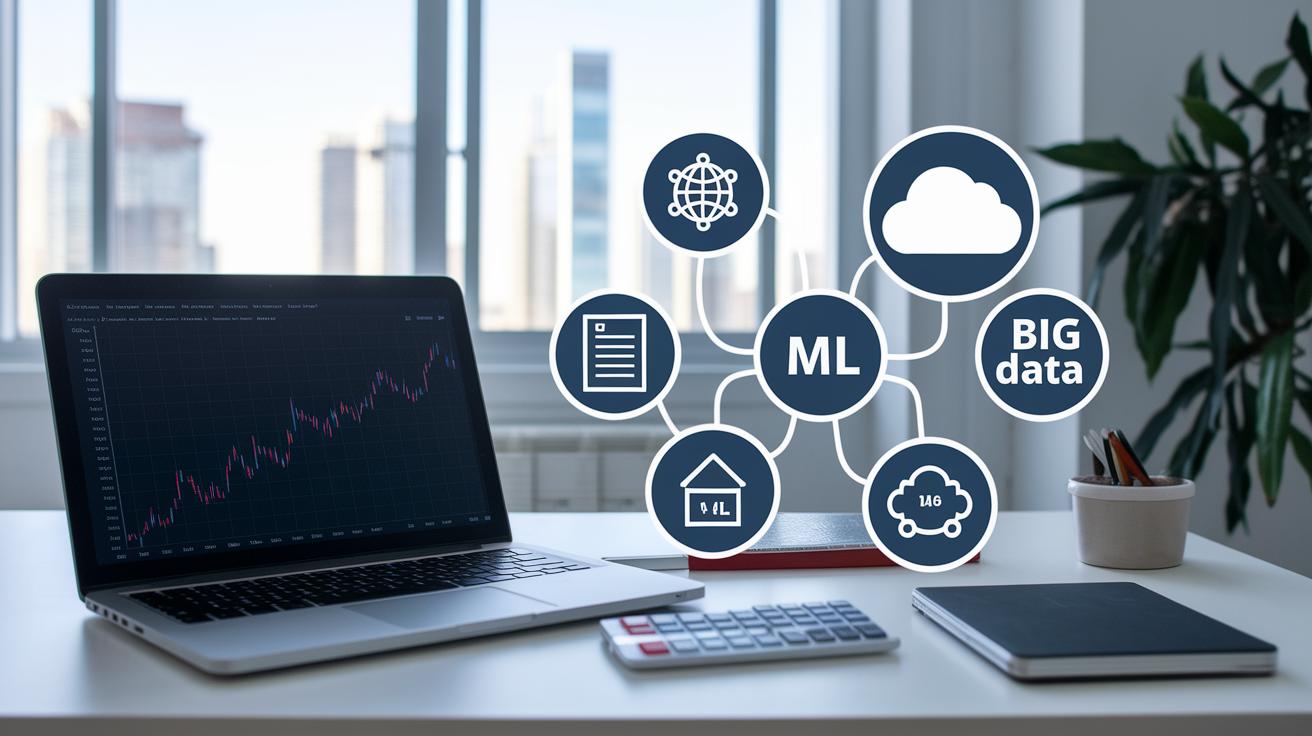
Digital financial analytics rests on a strong, well-built tech base made up of four main parts. We’re talking about revenue modeling boosted by AI, machine learning that reviews earnings in detail, big data mining to guide capital decisions, and cloud-powered forecasting for wealth. Think of each as a special tool in your financial toolbox. AI takes the raw numbers and turns them into clear insights by automating decisions and using natural language processing to spot patterns. Machine learning fine-tunes earnings predictions and spots little irregularities you might miss. Big data gathers huge amounts of information to help plan capital moves, while cloud tech gives you flexible power and live dashboards that are a real game changer.
| Technology | What It Does | Main Benefit |
|---|---|---|
| AI | Automates decisions with natural language processing and pattern detection | Turns raw numbers into useful insights |
| Machine Learning | Tunes earnings predictions and spots small anomalies | Makes forecasts sharper and clearer |
| Big Data | Collects and analyzes large sets of information | Improves capital allocation strategies |
| Cloud | Delivers scalable computing and real-time dashboards | Makes insights flexible and easy to access |
Together, these tools let finance teams act with more clarity and speed. Mixing AI, machine learning, big data, and cloud solutions gives companies the power to spot new trends, sharpen their forecasts, and manage risks before they become problems. By turning complex data into clear, actionable steps, these technologies help you plan precisely and use capital wisely, all while driving financial gains and offering smart guidance every step of the way.
Strategic integration of digital tools in financial functions

When you link the finance team with IT systems, everyone uses the same numbers. This creates one trusted source of data that helps everyone work from the same facts. For instance, a regional retailer combined its money records with its operations details, speeding up reports by 30% and making it easier to see issues and control outcomes. One company even saw record efficiency improvements by using a single dashboard to clear up confusing reports. This early teamwork between finance and IT smooths out problems and sparks smart insights.
Automating everyday money tasks can save time and cut down on mistakes too. When teams let software handle things like tracking expenses and matching records, they free up time for more important planning. One manufacturing firm, for example, used automation to slash its reconciliation time in half and keep a close watch on its data with live updates. Imagine a system that sends an alert when a strange expense pops up, saving plenty of work hours every year. Blending automation with ongoing data checks really helps the system adapt to real-life needs.
Real-world case studies in digital financial analytics transformation

Blockchain for inter-bank settlements
A major bank was bogged down by slow, manual methods for balancing transactions between banks. They switched to blockchain technology, which replaced the outdated process with a secure, automated ledger where every transaction was clear and easy to track. This upgrade sped up operations by 40% and trimmed costs by 25%. It worked like a digital switchboard, making it simpler for banks to work together. Check out more on blockchain investment opportunities.
AI-driven liquidity assessments
A global asset manager needed a way to test their liquidity in real time as market conditions shifted. They introduced an AI-powered system that ran automatic stress tests, fine-tuning its models while following clear ethical guidelines. This change boosted the accuracy of capital allocation by 15%, letting the team make quick, smart adjustments to their strategy. With less manual work to worry about, they could focus on planning high-value moves.
Governance, risk and compliance in digital financial analytics

Digital financial analytics now work like a trusted friend who always watches over your finances. These systems keep track of ever-changing rules and regulations, much like how a watchful neighbor might remind you to lock your door. They come with built-in controls to check for money laundering and use automated audit trails to spotlight any unusual activities in your data. This constant lookout helps spot mistakes early, making it easier to keep your records clean. Imagine a system that notices odd spending habits and quickly sends you a heads-up, stopping potential issues before they grow.
Predictive risk evaluation is getting smarter too. Using machine learning, these tools can spot unusual patterns in your financial flow, giving you a chance to adjust your plan before any problems turn serious. Data governance standards play a big role by setting clear rules on how to handle every bit of data safely and correctly. And on top of that, strong cyber defense measures work hard to protect both your money and your personal information. With methods like encryption and real-time intrusion detection, your sensitive details stay secure. For more practical advice on keeping your data safe, check out the guidance on data privacy vs data security.
Digital transformation and financial analytics: Fueling Gains

Picking the right technology partner alongside a clear plan is the first step toward an easy digital upgrade in financial analytics. Start by setting clear goals and matching them with smart, new financial strategies. Take a good look at your current systems and mark measurable steps to ensure the new digital tools blend in smoothly. Working with a partner known for ethical AI practices and creative ideas can help your team handle changes thoughtfully and make your whole financial setup more solid.
Switching your ERP systems slowly and checking your data readiness can ease the transition. Try using short, focused finance sprints to grab small wins and adjust quickly when new insights pop up. For example, after each phase, review key numbers and tweak your plans as needed. For more practical ideas, click on how to implement financial analytics in business.
Bringing together teams from finance, IT, and analytics builds a strong sense of teamwork and shared goals. Regular check-ins and open lines for feedback help everyone stay on track during changes. This friendly collaboration not only speeds up the learning curve but also strengthens your internal controls, leading to smarter decisions and smoother day-to-day operations.
Future trends and continuous evolution in financial analytics

Self-service analytic portals are making it easy for everyone, even if you’re not a tech whiz, to explore financial data using dashboards that show the key numbers you care about. Imagine turning a tap and watching data flow continuously, this is what real-time streaming feels like, letting teams quickly respond as market conditions shift. It’s like having a steady stream of fresh insights right at your fingertips.
Predictive analysis, now supercharged by generative AI, takes forecasting to a whole new level by checking countless details in real time. At the same time, flexible, skills-based finance models are on the rise, giving teams the power to adapt and try out new strategies without missing a beat. This smart mix of advanced technology and human know-how is keeping financial analytics agile and ready to meet the evolving needs of businesses every single day.
Final Words
In the action, the post highlights how a shift to a connected, data-driven approach reshapes financial processes. Key points include automating close activities, using predictive modeling, strengthening risk controls, and streamlining operations for more agile decision-making.
This clear focus on digital transformation and financial analytics empowers confident decisions and builds a robust, forward-thinking financial framework. Each step discussed paves the way for smarter workflows and a positive path forward.
FAQ
Q: What do digital transformation PDFs usually cover for financial analytics and banking?
A: The digital transformation PDFs typically explain how technology reshapes traditional finance through real-time insights, process automation, and connected data systems. They often include case studies, examples, and strategic guidelines.
Q: How does digital transformation affect banking, finance, and accounting?
A: The digital transformation in these sectors enhances processes by integrating automation, predictive analytics, and unified data systems. It boosts reporting accuracy, operational speed, and overall transparency in financial functions.
Q: What are some examples and expert insights on digital transformation in banking?
A: The digital transformation in banking is exemplified by blockchain for settlements, AI-driven liquidity assessments, and automation of reporting. Insights from firms like McKinsey highlight strategic shifts towards real-time, data-driven decision-making.
Q: What are the benefits of digital transformation in banking?
A: The digital transformation in banking delivers faster processing, cost savings, improved risk controls, enhanced customer experiences, and more agile decision-making, all of which lead to more efficient and transparent operations.
Q: What are the 4 pillars of digital transformation?
A: The four pillars of digital transformation include customer experience, process improvement, business model innovation, and cultural change. These elements work together to drive a broad, sustainable shift in operations.
Q: What are the 5 D’s of digital transformation?
A: The 5 D’s refer to digital, devices, data, decision, and dexterity. They outline key focus areas that help organizations shift effectively from traditional methods to innovative, tech-driven practices.
Q: What are the 4 types of digital transformation?
A: The four types typically involve process transformation, business model transformation, organizational transformation, and cultural transformation. Each type targets different areas to modernize and drive efficiency within a company.
Q: What is digital transformation and analytics?
A: The digital transformation and analytics approach integrates modern technology with data analysis to restructure financial operations. This shift ensures timely insights, smarter forecasts, and more informed, agile decision-making.