

Ever wonder if your business data could speak up for itself? Imagine turning a jumble of numbers into a clear picture that helps you make smart choices. Picture one simple image that shows not only what’s happening now but also what your customers love the most. This modern approach works like a trusty guide for businesses of any size, keeping you ready to face whatever comes next. Have you ever thought a fresh look at your data might give you that extra edge in the market?
Advanced Market Analytics: Spark Strategic Brilliance

Advanced market analytics takes messy numbers and turns them into clear, practical insights. It mixes ways of describing, diagnosing, forecasting, and advising so that data becomes a helpful guide.
The system gathers all your data into one simple picture, showing you how your business is doing and what your customers prefer. You get essential features for free and can add a few credits when you need more, no old-school data storage hassles. This approach works for any organization, big or small.
Different industries enjoy tools made just for them. Whether you work in financial services, retail, ecommerce, marketing agencies, or QSR 360, there are tailored modules ready to help. For example, a retail store might use multitouch attribution (which tracks how TV, radio, and online ads work together) to see what really drives sales. At the same time, a marketing agency can use these techniques to polish campaign strategies and get a clear picture of its competition.
Using past data on website visits, sales, and revenue, the tool forecasts future trends. This way, businesses can plan ahead even if they are still growing. It also provides strong insights into what competitors are doing, so you can adjust your plans quickly.
With easy-to-read automated reports and self-service dashboards, the platform lets your team turn scattered numbers into clear advice. This helps everyone make smart, strategic decisions across any market.
Predictive Modeling Techniques in Advanced Market Analytics

Conversion prediction models look at how users behaved in the past to guess future conversion rates (that is, the percentage of visitors who end up buying something). Picture a marketer reviewing old sales records and thinking, "Maybe only about 3 out of every 100 visitors will make a purchase." It’s a clear way to show that past data can turn into real insights.
Forecasting methods dig into past website visits, sales numbers, and revenue to give you a hint about what might come next. They offer useful guidance, even though they aren’t always perfect. For example, you might notice a big spike in traffic last month and expect a 2% rise in sales, but the actual rate might only reach 1%. This is why it’s important to keep fine-tuning these predictions as you gather more data.
Anomaly detection is like having a vigilant friend who watches your key numbers in real time. When something doesn’t match what’s expected, you get an instant alert via Slack or email. This quick heads-up helps the team tackle issues before they blow up.
Machine learning algorithms automatically pick up on trends and keep improving the model as they go. They use a method called statistical inference (which means drawing simple conclusions from data) along with smart checks to help businesses see upcoming market trends. This way, companies can make better choices about their strategies using advanced market analytics. For more on this, check out Role of AI in Financial Analytics at https://mechgurus.com?p=960.
Data Integration and Quality for Advanced Market Analytics

If you're working with market analytics, keeping all your data connected is a must. Picture it like putting together a jigsaw puzzle where every bit of information, be it web clicks, social media activity, or sales numbers, fits perfectly to show you a complete picture of how things are going.
This system lives by the idea that if you put in bad data, you'll get bad results. It uses smart automated pipelines to clean and standardize your data. Think of it like a chef who checks each ingredient for freshness before cooking, ensuring that everything mixes well without mistakes.
All your separate data pieces come together into one clear view, so you can easily spot trends and predict future results without worrying about missing parts. And with a cloud-based design, the platform grows along with your business, letting you skip the hassle of managing physical servers.
By using strong data integration methods and quality checks, this approach gives you a solid, complete look at your business operations. That way, you can make confident, smart decisions with data you know you can trust.
Data Visualization Techniques in Advanced Market Analytics
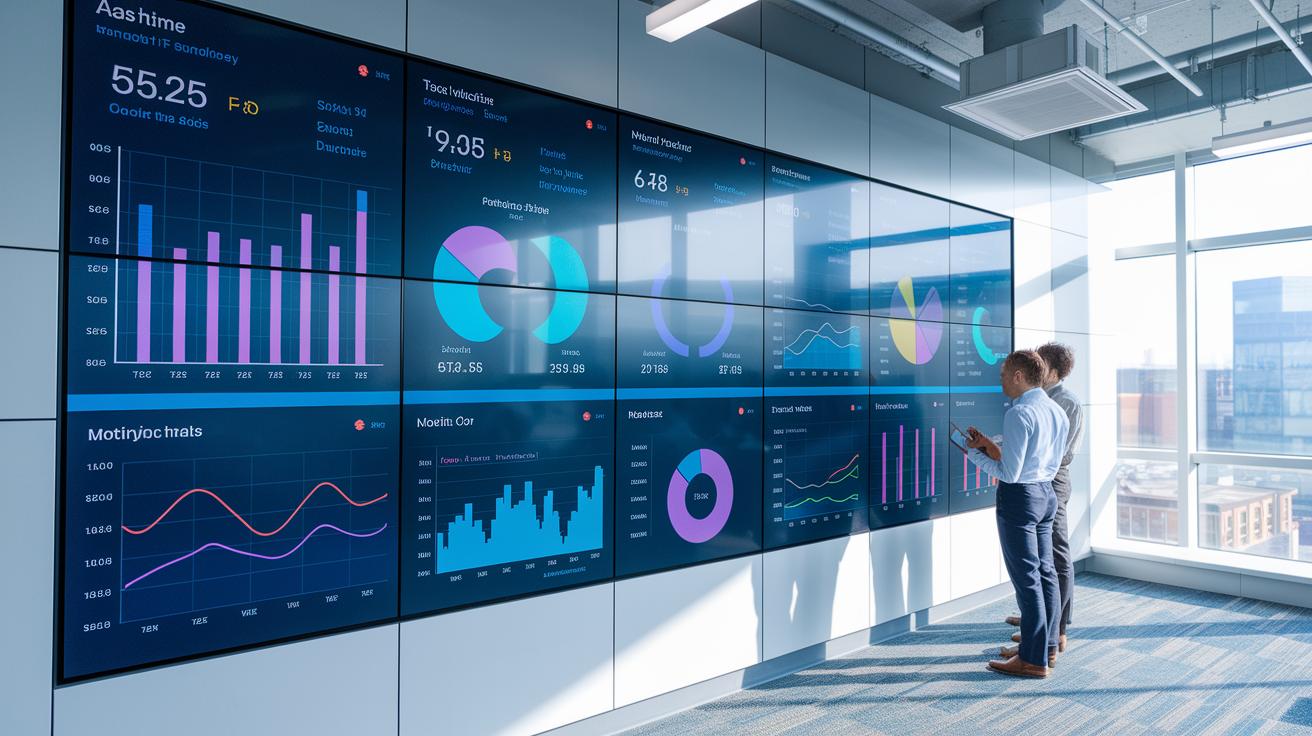
Interactive dashboards bring your numbers to life in real time. It’s like watching your favorite game with every play updating on a live scoreboard. Automated reporting pipelines turn raw data into easy-to-read dashboards that refresh as events happen. And with developer portals and flow builders, your team can craft custom reports, letting everyone explore the data at a pace that feels right.
Clear KPI layouts form the heart of a solid dashboard. For example, a simple chart with a neat legend and consistent color codes lets you spot trends right away. Plus, drill-down features empower you to click on a chart and reveal more detailed levels, think of it as zooming in on a map to discover hidden streets. Responsive charting means that whether you check on your phone, tablet, or computer, your insights are always at your fingertips.
Bringing BI tools into the mix speeds up smart decision-making by blending different data sources into one clear picture. When you follow best practices in dashboard design, you give teams the ability to adjust strategies quickly based on the most up-to-date numbers. It’s a straightforward way to spark effective decisions every time.
Case Study Application Methods in Advanced Market Analytics

One clear example comes from a LinkedIn Ads campaign that saw a 25% jump in ROI after using anomaly detection on key campaign indicators. The team got real-time alerts and could quickly change their tactics during the campaign, which helped them steer clear of potential setbacks while keeping performance high. This approach completely changed the way they looked at and acted on their daily metrics.
Another real-life case shows the power of conversion prediction models. By checking out past user behavior, the model spotted trends that boosted qualified leads by 15%. This solid improvement makes it clear that predictive analytics, basically tools that forecast future trends from old data, can improve targeting and make marketing dollars work harder.
Marketers also relied on structured ROI measurement frameworks. By comparing performance data from before and after deploying these models, they saw real, tangible gains. This allowed them to plan future campaigns with a lot more confidence.
Here’s a simple four-step plan to put these advanced methods to work in your own projects:
| Step | Description |
|---|---|
| Define KPIs | Set clear targets to guide your model building. |
| Deploy Predictive Models | Use forecasting tools that learn from past data trends. |
| Monitor Results | Keep a close eye on key metrics and adjust as conditions change. |
| Iterate on Findings | Refine your strategy based on fresh insights from the data. |
This organized, step-by-step approach shows how advanced market analytics can drive significant campaign improvements. Have you ever thought about how a few smart changes in your strategy could lead to better results?
Implementing Advanced Market Analytics: Best Practices

Implementing advanced market analytics isn’t as complicated as it might seem. You begin with a simple five-step plan that helps your team set up smart systems. First, decide what you want to achieve and pick a few key measures that show you’re on the right track. Then, gather data from every channel so you can see the full picture, like putting together pieces of a puzzle. Once you’ve got all that information, you can break it down into smaller, more manageable groups.
Many organizations run into bumps when they try to link data from different sources, and not having enough technical know-how can slow things down. To move from insights to real actions, companies often set up automated data processes, clear rules, and smart change-management plans. By matching the right analytical methods to specific business questions, marketing teams can choose tools that really work for them. For example, using multi-touch attribution helps show how different ads work together, which makes it easier to optimize your budget.
Choosing the right technology is a crucial step. For more guidance on this, you might want to check out the recommendations at Future of Financial Analytics in Finance Industry (https://mechgurus.com?p=921). After that, make sure to weave insights into everyday work so your team can quickly adjust their strategies and improve results.
Breaking the overall process into these five clear phases helps overcome problems like scattered data and limited resources. This method turns raw numbers into clear, decisive actions. With these best practices in place, both marketing and business teams can feel more confident and agile, leading to smarter, more responsive decisions.
This approach also helps refine how you allocate your budget and manage your campaign tactics. Regular reviews and small tweaks ensure that your analytics stay aligned with shifting market conditions. This way, every decision you make is backed by accurate, actionable data, driving continuous performance and growth.
Emerging Technologies and Future Trends in Advanced Market Analytics

Artificial intelligence and machine learning are changing how businesses work with data. Imagine a smart system that tweaks its advice on the fly as you shop, a friendly guide that learns from every move you make. These tools make it possible to offer personalized choices in real time, help automate decisions, and even let you explore analytics on your own.
Cloud-native and serverless setups also play a key role. They keep data streaming smoothly and help businesses track trends from devices and social media. Think of it like watching a live video of your customer’s actions and market shifts, all coming together in one clear picture.
The merging of intent signals with marketing automation tools brings even more insight. This means systems can pick up on tiny hints in customer behavior and quickly tweak marketing plans. Picture getting a heads-up when a burst of social chatter signals a sudden shift in public opinion.
Developer portals and SDKs give teams the power to build their own custom analytic models. This ongoing tweaking lets organizations stay ahead of the curve by adjusting strategies as new data trends appear. In short, these emerging tools will pave the way for market analytics that’s faster, more adaptable, and better in tune with changing consumer behaviors.
Final Words
In the action, we explored a wide view of advanced market analytics, from forecasting techniques and predictive modeling to hands-on case study applications. We touched on integrating data, crafting interactive dashboards, and even preparing for new trends as AI and cloud-based platforms come into play.
Every section sheds light on turning numbers into clear insights that empower decision-making. Advanced market analytics helps shape smart, confident financial planning, paving the way for brighter, more secure growth ahead.
FAQ
Advanced market analytics salary
Questions about advanced market analytics salary reveal that compensation depends on experience, industry, and location, with professionals generally earning competitive packages reflective of their data expertise.
Advanced market analytics reviews
Questions about advanced market analytics reviews show that users appreciate platforms with robust reporting, seamless data integration, and accurate forecasting that drive effective marketing decisions.
AMA Research & Media
Inquiries about AMA Research & Media suggest it is recognized for combining traditional research methods with modern analytics, offering nuanced insights into consumer behavior and market trends.
Advanced market research
Questions regarding advanced market research explain that it uses sophisticated data techniques, including predictive models and diagnostic assessments, to uncover deeper consumer insights and competitive angles.
AMA Market
When asked about AMA Market, responses indicate it provides comprehensive consumer insights and data intelligence, helping businesses fine-tune their strategies with precise market analysis.
Master of science marketing analytics
Questions on a Master of Science in Marketing Analytics clarify that this program focuses on data-driven strategies, predictive modeling, and actionable consumer insights to prepare graduates for strategic marketing roles.
Market research companies in Viman Nagar Pune
Inquiries about market research companies in Viman Nagar, Pune highlight that these firms offer local consumer insights, competitive analysis, and digital trend evaluations to support smarter business strategies.
Illinois State University Marketing Analytics
Questions about Illinois State University Marketing Analytics point out that the program emphasizes practical data analysis, forecasting techniques, and real-world applications to drive strategic marketing decisions.
What is advanced marketing analytics?
Questions asking what advanced marketing analytics is reveal that it involves using sophisticated techniques to analyze large datasets and provide descriptive, diagnostic, predictive, and prescriptive insights for smarter marketing.
What are some examples of advanced analytics?
Questions about examples of advanced analytics include forecasting models using historical data, anomaly detection systems for real-time alerts, and machine learning algorithms that predict consumer trends and market shifts.
What does an advanced analyst do?
Questions on what an advanced analyst does explain that they use complex data tools to identify trends, create predictive models, and generate reports that assist in making informed strategic business decisions.
What is the difference between basic and advanced analytics?
Questions about the difference between basic and advanced analytics indicate that basic analytics focuses on historical data descriptions, while advanced analytics incorporates predictive, machine learning, and prescriptive techniques for deeper insights.