

Ever notice how your gut feeling might actually shake up market risks? Our quick emotions and snap judgments may seem tiny, but they can shift things in a big way, kind of like how a sudden downpour turns a calm afternoon into a wild storm. In this post, we chat about how common biases like feeling overly confident or following the crowd can sway market moves. And guess what? Knowing this might just brighten your outlook on timing and strategy. When you learn how your mind handles pressure, you might begin to see risks as real chances to make smarter choices.
How Behavioral Factors Influence Market Risk

Market risk, often called systematic risk, is the chance that investments might lose value because of big shifts that hit the whole market. Think of it as a weather shift affecting every garden in town. For instance, a treasury bond bought in 2020 might drop in value by 2023 when interest rates go up. If you're curious to dive deeper, you can check out more about market risk here: what is market risk (https://mechgurus.com?p=1113).
This kind of risk comes in many different flavors. Interest rate risk shows up when bond prices drop as rates climb. Then there's country risk, which might appear when political changes or natural events mess things up. Currency risk happens when money values change between countries, affecting those investments. Commodity risk is seen when the price of items like oil or soybeans swings wildly. And lastly, liquidity risk occurs when it becomes hard to sell your investment at the current market price. Each of these can push the markets in unexpected ways.
Our own feelings and mental habits can make these risks even trickier. Sometimes, emotions or quick judgments turn small market moves into wild swings. Recognizing these tendencies is key because they can boost both market highs and lows.
Here are a few common biases that might impact what you see in the market:
- Overconfidence bias: Believing too much in your own guesses may lead you to take on more risk.
- Herd mentality: Following what everyone else does can lead to big bubbles or sudden sell-offs.
- Loss aversion bias: Worrying about losing money might make you hold onto a bad investment longer than you should.
- Anchoring bias: Relying too much on the first piece of information you get can twist your later choices.
- Confirmation bias: Only looking for signs that support what you already believe can keep you stuck in unhelpful strategies.
Understanding these mental quirks can really help you see why the market sometimes behaves in ways that surprise us all. Next time you're watching market ups and downs, remember that a mix of systematic factors and our hidden biases can stir things up more than you might think.
Cognitive Biases Driving Market Risk

Our minds can sometimes play tricks on us, making us see risks differently than they really are. These mental shortcuts may lead us to risky choices without us even realizing it. For a deeper look into these influences, check out the earlier overview.
Overconfidence Bias
Studies tell us that many people think too highly of themselves. About 64% of investors believe they know more than they do, much like how 78% of Americans say they're better drivers than most. This overconfidence can push someone to take risks based on a lucky gut feeling rather than solid facts. Imagine a cook who trusts his secret spice mix so much that he ignores signs the dish might not turn out well, until it all goes wrong.
Anchoring Bias
Anchoring bias happens when we latch on to the first number or idea we hear. Investors might fixate on an initial stock price and hold on to it, even when new information suggests a change. It’s a bit like setting your thermostat on a sunny morning and then ignoring the sudden drop in temperature later on.
Confirmation Bias
Confirmation bias is when we only pay attention to information that backs up what we already believe. This means investors might ignore important details that could help them adjust to market changes. Picture someone who reads only the headlines that agree with them, leaving out the rest of the story that might tell a different tale.
Emotional Decision-Making and Loss Aversion in Market Risk

Trading isn’t just about numbers and charts – our feelings often guide our decisions. Sometimes, investors make snap choices based on emotion rather than carefully weighing the facts. This emotional way of trading can lead to mistakes that add unexpected risk.
One common example is loss aversion. In simple terms, it means holding on to losing investments for too long because the thought of taking a loss hurts more than the idea of moving on. Think of a homeowner who keeps a property even as its value drops, hoping things will improve. Instead of cutting losses, they stay locked in, which can deepen market troubles.
When our decisions are ruled by fear and regret instead of clear thinking, the market can feel like a wild roller coaster. Have you ever felt that your emotions might lead you to a mistake when trading? Keeping a cool head helps smooth out those bumps and keeps your strategy on track.
Herd Behavior’s Impact on Market Risk
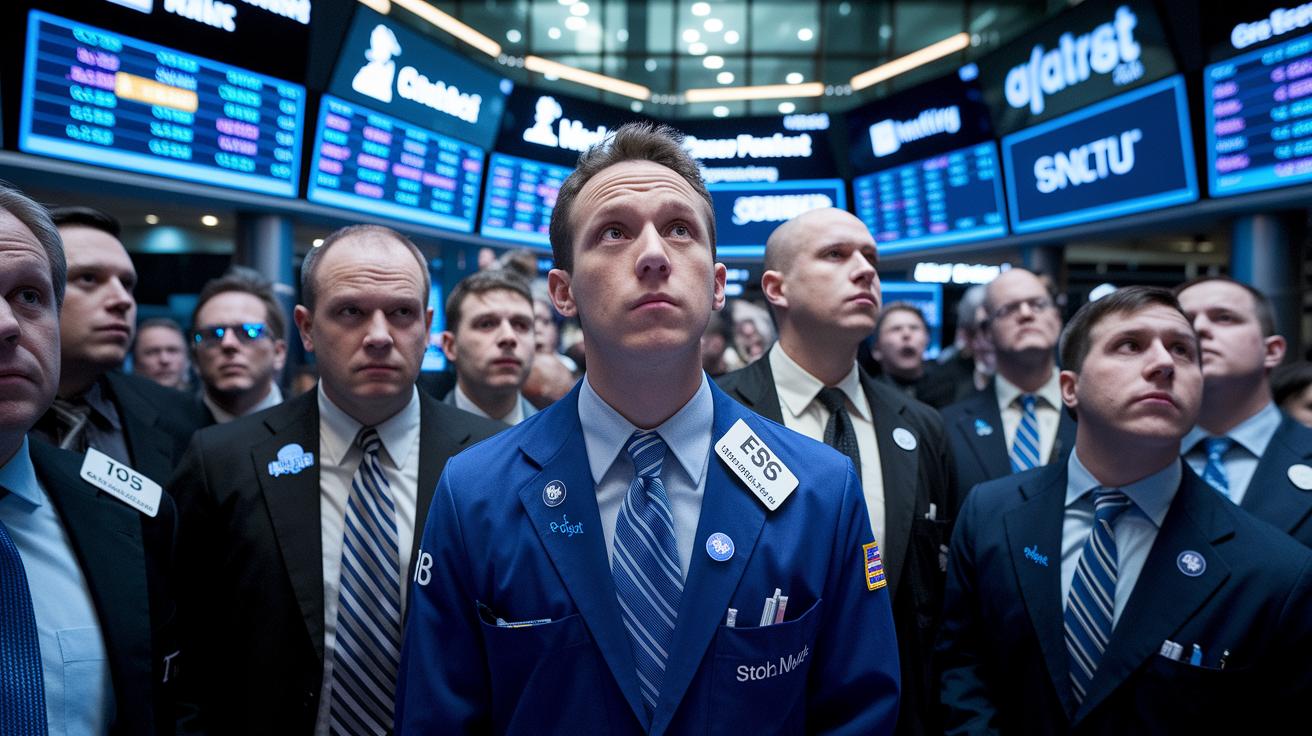
Herd mentality happens when investors follow others instead of doing their own homework. It’s like joining a long line at your favorite food truck just because everyone else is; you might end up with something you didn’t really want. This trend is often driven by the fear of missing out, making people copy what others do instead of thinking things through on their own.
When many investors crowd into the same stock or asset, the prices can shoot up in a way that doesn’t really match the asset’s true value. This creates a bubble. And when the mood changes, that bubble can burst quickly, leaving many people in a tough spot.
In a market full of ups and downs, panic can spread like wildfire. One group starting to sell can trigger another, making the whole market swing wildly. This chain reaction can take a small price change and turn it into a big downturn that makes it hard for investors to see what the asset is really worth.
Trading Sentiment Analysis in Market Risk Assessment
Sentiment indicators are like a friendly weather report for the markets. They help us see how investors feel about news and economic updates. You know, by watching live news, social media, and data from risk software, we get a real-time snapshot of the market mood. When we spot sudden bursts of optimism or gloom, it can warn us about possible market swings even before the usual stats notice a change. For example, if investor sentiment shifts quickly after a big central bank announcement or an unexpected global event, it might signal rapid price moves.
| Indicator | Data Source | Interpretation |
|---|---|---|
| VIX | CBOE | Market fear gauge |
| Fear & Greed Index | Media outlets | Sentiment extremes |
| Social Media Score | Analytics platforms | Retail investor mood |
Traders often watch these signals closely to adjust their risk strategies. They might notice that a quick drop in social media scores along with a jump in the VIX suggests it might be time to hedge their positions. On the other hand, an unusual reading on the Fear & Greed Index can be a cue to either exercise extra caution or seize a new opportunity. By mixing these sentiment clues into everyday trading decisions, market participants can better navigate short-term ups and downs and craft strategies that ride along with the ever-changing investor mood.
Integrating Behavioral Insights into Market Risk Management Strategies

Financial markets have become more complex, so it's important to use data-based methods to cut out the guesswork. Many companies and individual investors now rely on simple, clear statistical models to understand risk. These models work like a trusted recipe, blending hard numbers with real insights about how people act.
A well-known tool for measuring risk is Value at Risk, or VaR. Think of it like checking your thermometer before baking; it uses past data to show you potential losses. VaR gives clear numbers that help guide smarter decisions. Spreading your investments across different areas, much like picking a variety of fruits for a healthy snack, reduces the impact of a rough patch in any one part of the economy. Plus, using options to set selling prices during drops acts as a safety net, much like having an umbrella when it rains.
Keeping an eye on the market is like watching a fast-moving movie. With real-time monitoring and reliable risk management software, investors get timely updates and can adjust their plans as needed. Having a long-term view helps you ride out short-term ups and downs, so little shakes don’t distract from your overall strategy. When you use tools like VaR alongside insights into everyday behavior, you get a plan that’s both logical and tuned to human habits.
New software now even mixes traditional risk checks with a pulse on investor feelings. This steady feedback loop is like chatting with a friend who gives you guidance as the market changes. It helps keep your investment strategy both steady and flexible, so you’re always ready for whatever comes next.
Behavioral Finance vs. Efficient Market Hypothesis in Market Risk Assessment
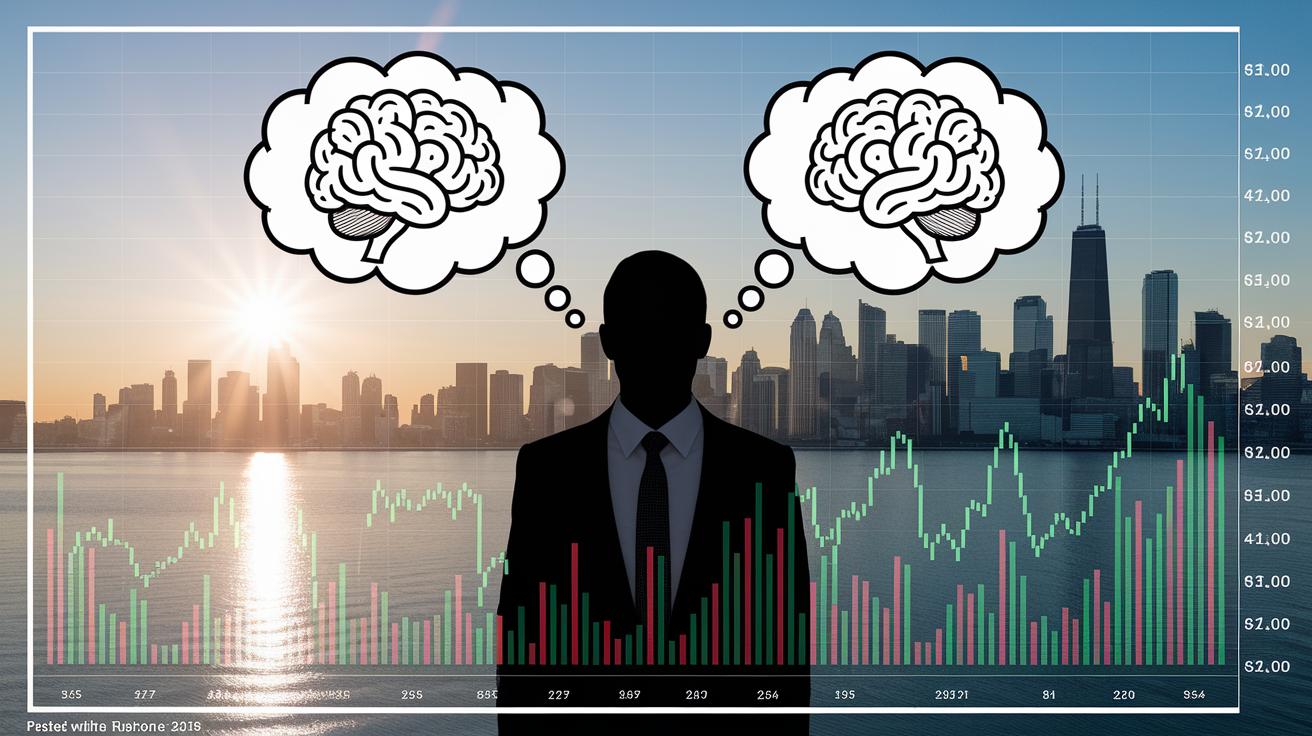
The efficient market hypothesis tells us that everyone believes all available information is already built into asset prices. That means prices only change when new details come out, and decisions are made strictly based on facts. In this view, market risk is just nature’s way of handling surprises, with little room for personal opinions to mess things up.
On the other hand, behavioral finance reminds us that people are not always logical. Our emotions and simple biases, like being too sure of ourselves or only trusting information that confirms our initial ideas, can push prices away from their true value. Research shows that when feelings take over, investors might ignore important new information. This means that market behavior isn’t always about cold, hard data, but also about how we feel and think about risk.
Experts like Scott Lanigan, CFA, suggest that mixing these ideas gives us a more balanced view of market dynamics. By combining the careful analysis of the efficient market hypothesis with the real-life insights from behavioral finance, we get a clearer picture. This thoughtful blend helps us better prepare for market shifts by recognizing both the power of data and the impact of human emotions.
Final Words
In the action of exploring market risk, we examined how behavioral factors affect market risk by discussing investor psychology, cognitive biases, and group behavior. We broke down the different types of risks and shared practical strategies like VaR assessment and sentiment analysis. This reflection helps us see how emotions and decisions shape market volatility. With a balanced approach and smart risk management techniques, embracing these insights can lead to stronger financial foundations and confident decision-making. Keep moving forward with optimism and care.
FAQ
Where can I find PDFs on behavioral finance and market risk?
Searching for PDFs on these topics reveals academic papers and downloadable guides that explain how investor psychology shapes market risk. They are available on financial research sites and platforms like Mechgurus.com.
What factors affect market risk, including behavioral influences?
The factors affecting market risk include broad market elements like interest rates, political events, and currency shifts, while investor psychology and biases heighten volatility and can push market behavior beyond basic economic factors.
What does behavioral finance mean?
Behavioral finance means looking at how emotions and mental shortcuts, like biases, shape investment decisions. It explains why investors sometimes act in ways that differ from classic financial models.
What are some examples of behavioral biases in finance and the stock market?
Examples include overconfidence, anchoring, and confirmation biases. These biases lead investors to stick with initial ideas, overestimate their skills, or favor information that confirms their views, impacting stock market behavior.
What factors does behavioral finance consider regarding market efficiency?
Behavioral finance considers how emotions and biases create price misalignments that affect market efficiency. It shows that investor sentiment can cause prices to stray from levels expected under classic, rational models.
How does behavioral bias manifest in organizational behavior?
In organizations, behavioral biases appear when leaders rely too much on personal judgments or familiar ideas, often overlooking new data and diverse perspectives, which can influence decision-making and overall performance.
What are the behavioral factors affecting investment decisions?
Behaviorally influenced investment decisions stem from biases such as overconfidence, anchoring, and loss aversion. These factors can cause investors to make choices that do not fully consider all available market information.