

Ever wondered if doing less might actually help you build more wealth? Instead of buying and selling all the time, buy-and-hold investing means you let your money sit and grow over many years. When you let your cash settle, you skip the stress of watching every little market change and dodge extra fees from trading too often. It’s a lot like tending to a quiet garden, slow, steady, and full of small gains that eventually blossom into something beautiful. Stick around as we chat about how this simple strategy can lead to steady growth and lasting wealth.
How buy-and-hold investing works

Imagine setting out on a long journey with your money, keeping your investments steady for years instead of chasing every twist and turn in the market. With buy-and-hold investing, you buy assets and hold onto them for at least five years, letting them grow slowly over time. This approach takes away the headache of trying to guess the perfect moment to buy or sell, so you can stick with affordable investments even when the market gets a bit bumpy.
Many people take this route by investing in broad options like S&P 500 or Total Market index funds. Think of these funds as a basket filled with pieces of many different companies, which helps spread out the risk and keeps fees low. It’s like having a little bit of almost every flavor in one meal, making decisions easier and cutting down on frequent trading.
This strategy is a favorite for those planning for long-term growth because it lets the magic of compounding work for you. Over time, even small gains can add up to a hefty sum, much like saving pennies that eventually fill a jar. By holding steady and not selling during dips, you avoid extra costs and the emotional ups and downs that come with quick trades. In the end, keeping things simple helps you focus on larger financial goals, much like tending to a garden that grows stronger and more resilient with every season.
Historical performance of buy-and-hold investing

Investing in a simple index fund can show steady, long-term growth. For instance, from January 1994 to April 2023, the Vanguard 500 Index Investor returned an average of 12.93% each year. At times, these returns went as high as 32.18% and never dipped below 18.23%. Major market benchmarks like the S&P 500, Dow Jones, Nasdaq 100, Russell 2000, FTSE 100, and Nikkei 225 have all followed a similar upward trend. In short, by holding on to your investments for many years, you give them the chance to flourish, even when the market has its ups and downs.
One of the key factors behind this success is the power of compounding. Think of it like a snowball that grows larger with every roll downhill. As you earn money on your investments, those earnings start working for you, building even more growth. Even after a market setback, strong companies tend to bounce back and help recover lost ground. Every little bit you add can boost your future earnings. This combination of compounding and the market's natural bounce back makes a buy-and-hold strategy a reliable way to steadily build wealth over time.
Benefits of buy-and-hold investing

Buy-and-hold investing is all about letting your money grow steadily by lowering costs and keeping taxes in check. Imagine investing in quality stocks for more than ten years, you avoid triggering extra taxes while your earnings benefit from the magic of compounded growth. Think of Anna: she held an S&P 500 ETF for 15 years and managed to defer most capital gains taxes until she retired.
- It cuts trading costs by avoiding constant buying and selling.
- It leans into long-term market gains, giving your investment room to grow over many years.
- It boosts tax efficiency; in simple terms, holding on means you postpone taxes until it’s most beneficial for you.
- It helps keep emotions in check, so you're not rushing to react to every dip or spike in the market.
- It can even perform better than active strategies during unpredictable times, as fewer transactions help preserve your investment’s value.
Experts agree that keeping a hands-off approach helps your portfolio remain steady through slow, sustainable growth. Each of these benefits blends together to protect your wealth over time, sort of like tending to a garden that needs patience and care to truly flourish.
Potential risks in buy-and-hold investing and management tactics

Sometimes a strong buy-and-hold plan can go off track because of little mental slips. Many people get a bit too sure of themselves or follow what everyone else is doing. This can make them sell their investments too soon. And then there are market changes and shifting personal goals that can steer your investments away from where you planned. Short-term worries can mix in with these habits, leading to choices that sidestep long-term goals.
When the market gives off warning signs, having a clear plan and a steady mindset really makes a difference. A lot of investors write down their plans and set regular review dates, which helps them avoid impulsive decisions. This simple step can cut down on mistakes caused by biased thinking and a fear of losses. For more on how to sort out various risks, you can explore risk classification resources. There are also insights on common mind traps in behavioral investment strategies.
| Bias | Description | Mitigation |
|---|---|---|
| Overconfidence | Thinking you’re always right about your choices, leading to too many trades. | Stick to your written plan and set regular check-ins. |
| Biased Judgment | Relying too much on past wins instead of considering long-term trends. | Base your moves on long-term data and wider market trends. |
| Herd Mentality | Following the crowd, even when it clashes with a solid strategy. | Trust your own research and remain focused on your goals. |
| Loss Aversion | Feeling the pain of losses more sharply than the joy of similar gains. | Use objective facts for decisions rather than letting emotions rule. |
Using patient capital techniques can really tame these risks. By setting clear aims and following a firm written plan, you can stay ahead of common biases and market pressures. Regular reviews let you adjust based on long-term performance instead of knee-jerk reactions to market dips. This disciplined method keeps your investments aligned with your goals, even when personal circumstances change. It's a steady way to build your wealth without giving in to short-term market jitters.
buy-and-hold investing Boosts Steady Wealth Growth
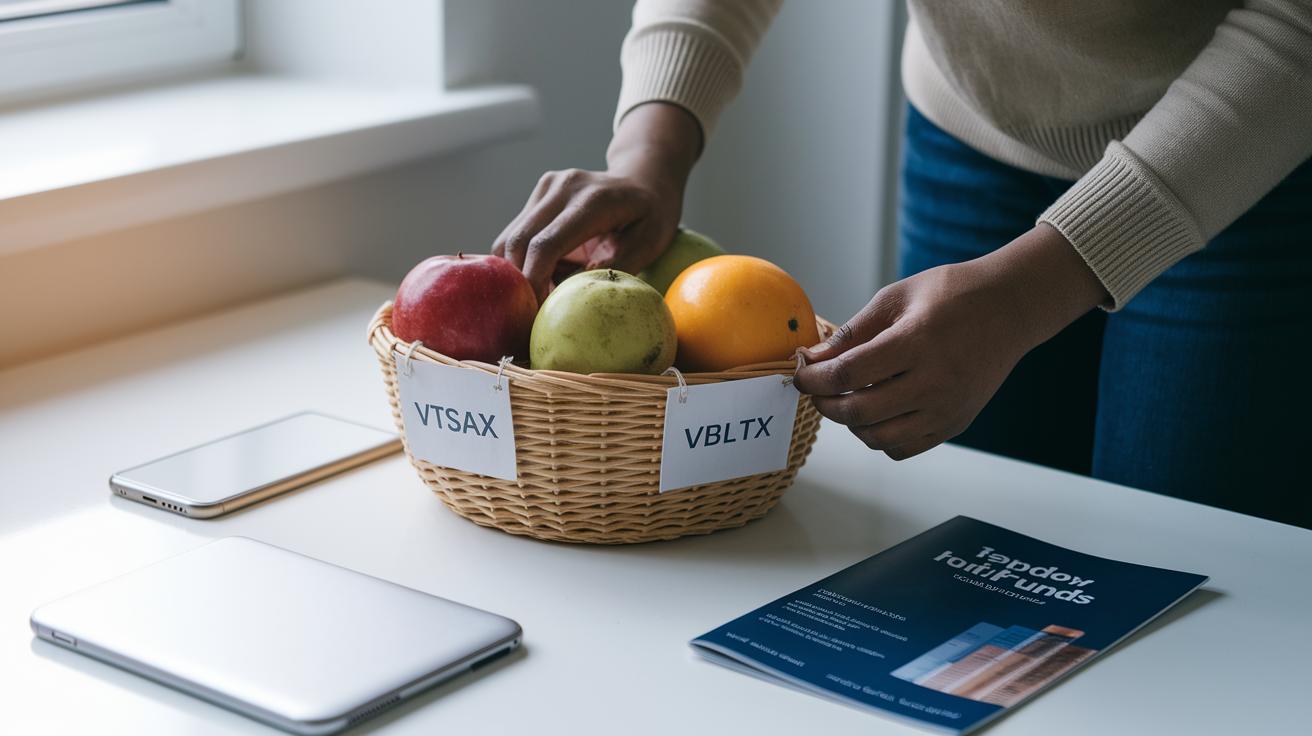
Building a strong portfolio can really be as simple as following a steady, hands-off plan. One popular method is to use a two-fund approach with low-cost, broad-market index funds like VTSAX for stocks and VBLTX for bonds, along with a bit of cash. Picture it like choosing a mix of fresh fruits for a healthy, satisfying snack, each piece contributes to your overall well-being without costing too much.
Index funds work by spreading your money across many companies, which lowers the risk of depending on any one stock. Think of it as creating a basket filled with lots of different companies instead of putting all your eggs in one basket. This approach smooths out those unpredictable bumps in the market. Plus, you don’t have to manage them every day, which is great if you prefer a more relaxed way to handle your money.
As you grow older, your portfolio should change along with you. If you're in your mid-20s to early 40s, you might lean toward putting all your money in stocks so you can catch more of the market’s growth. Between 40 and 60, an 80/20 mix of stocks and bonds can add a little extra stability while still keeping some room for growth. And if you’re over 60, switching to a 60/40 split can help protect your savings from big market swings. It’s a bit like adjusting your meal plan as your appetite changes over time.
It’s also smart to check in on your portfolio at least once a year. A quick yearly review is a lot like taking your car in for a tune-up, it helps make sure everything is balanced and running smoothly even if market conditions or your personal needs have shifted. Have you ever thought about how a little regular maintenance can keep your financial journey on the right track?
buy-and-hold investing vs active trading strategies

Active trading means you’re always keeping an eye on the market, trying to buy and sell at just the right moment. It can feel like riding a roller coaster, exciting and a bit nerve-wracking. With this strategy, you make many decisions based on small price changes, which often leads to more fees and a higher chance of missing the right moment. Imagine trying to catch every little wave at the beach; you might miss the big, steady swell that brings real rewards.
Swing trading and day trading are typical examples where you need to act fast. These methods push you to adjust your portfolio on the fly, making it easy to slip into quick, sometimes rushed decisions. It’s a bit like constantly trying to balance on a seesaw, each small move could add unnecessary stress and extra costs, leaving you with scattered efforts that don’t pay off as well.
On the flip side, buy-and-hold investing offers a much calmer path. Instead of fixating on daily market ups and downs, you allow your investments to settle and grow over time. By trading less often, you cut down on fees and avoid decisions driven by short-term emotions. Think of it like planting a garden: you take your time, nurture it patiently, and eventually enjoy a steady, beautiful bloom. This approach helps you relax and lets your money work quietly in the background, adding up to a more stable financial future.
Case studies in buy-and-hold investing success

Warren Buffett’s bold move with Coca-Cola shows how sticking with an investment over time can pay off big. In early 1988, Berkshire Hathaway bought about 200 million shares at $2.50 each. It wasn’t just a purchase, it was Buffett making a clear commitment to let the investment grow over the years. He saw Coca-Cola’s strong brand and global presence as something that would continue to deliver value, no matter the market ups and downs. Imagine making a modest start that eventually becomes one of the most legendary holdings in American finance.
Then there’s MercadoLibre, a shining example of how holding on to a strong asset can lead to impressive rewards. The company now works in 18 different countries and serves over 200 million active users. With a mix of services like online marketplace, digital payments, logistics, and even credit, MercadoLibre has become a powerhouse in Latin America’s e-commerce and fintech arenas. Investors who stayed patient have seen their investments grow as the company keeps capturing new opportunities in emerging markets.
Grab Holdings and ASML also remind us that a long-term view can reveal great potential. Grab Holdings is a popular super app in Southeast Asia that offers ride-hailing, food delivery, and digital payments to around 40 million users each month. On the other hand, ASML makes essential machines used by some of the world’s biggest chipmakers. Both of these companies show that when you allow a solid business plan to unfold over time, what starts small can turn into something truly remarkable. It’s a real-life lesson in how patience and a steady outlook can transform early investments into lasting success.
Practical considerations for starting buy-and-hold investing

When you first start investing, set clear, real goals that match your journey, picture a long road trip that lasts five years or more. Consider low-cost, broad-market index funds as your solid, dependable mix; they work like a sturdy bucket holding a variety of companies to help smooth out life's unexpected bumps. Think of each investment as a checkpoint on your trip, ensuring you stay on track with minimal fees along the way.
Make sure to establish targets that fit your comfort with risk, so every step aligns with your personal and long-term financial plans. It’s smart to check in on your portfolio regularly, maybe once a year or every six months. These reviews are like routine car maintenance; they help keep your investments balanced even when the market feels a bit choppy. And remember, building wealth takes time, just like pacing yourself on a busy highway by occasionally glancing at the speedometer. This steady discipline will keep you confident and on course, no matter what twists and turns come your way.
Final Words
In the action, we mapped out how buy-and-hold investing works, touching on key strategies like holding low-cost index funds for long-term growth and the power of compounding returns. We also looked at building a balanced portfolio and managing risks effectively. This method helps smooth out market ups and downs, allowing a steady buildup of wealth over time. Embracing these principles can boost financial confidence and lead to a brighter financial future.
FAQ
Buy and hold investing reddit
The phrase “buy and hold investing reddit” refers to conversations on Reddit where members share their experiences, tips, and resources about maintaining long-term investments to weather market variations.
Buy and hold investing pdf
The term “buy and hold investing PDF” describes a downloadable guide that explains the basics and benefits of a long-term investment strategy using clear examples and charts for easier understanding.
Buy and hold investing strategy
The term “buy and hold investing strategy” means purchasing investments and keeping them for many years to smooth out market ups and downs, focusing on gradual, long-term growth.
Buy and hold investing examples
The phrase “buy and hold investing examples” illustrates holding assets like broad-market index funds or resilient companies over many years, allowing investments to grow steadily without frequent trading.
Best buy and hold investing
The expression “best buy and hold investing” implies choosing low-cost, diversified investments with a proven track record, which are effective for building wealth steadily over the long term.
Buy and hold strategy example
The phrase “buy and hold strategy example” often describes investing in a broad-market index fund and keeping that investment through market cycles to avoid frequent trading and reduce costs.
Buy and hold real estate
The term “buy and hold real estate” refers to purchasing property for long-term ownership, aiming to benefit from rental income and property appreciation, rather than selling quickly for short-term profit.
Buy-and-hold meaning
The phrase “buy-and-hold meaning” describes the approach of owning an asset for a long period, allowing it to grow in value over time while avoiding the extra costs and risks of constant trades.
How to turn $1000 into $10000 in a month?
The idea of turning $1000 into $10000 in a month contrasts with buy-and-hold investing since this method emphasizes long-term growth rather than rapid, high-risk profits in a brief period.
What if I invested $1000 in S&P 500 10 years ago?
The question “what if I invested $1000 in the S&P 500 10 years ago” highlights that, through long-term holding, market appreciation and compounding returns would likely have grown the initial amount significantly over the decade.
What is the 7% rule in stocks?
The phrase “what is the 7% rule in stocks” generally refers to an expected average annual return for a diversified, long-term investment portfolio, though actual returns can differ based on market conditions.
What are the 7 stocks to buy-and-hold forever?
The question “what are the 7 stocks to buy-and-hold forever” usually points to a list of well-established companies known for robust performance and stability, though individual choices should be based on personal research and financial goals.