

Ever thought your business might be missing important clues hidden in everyday numbers? Data-driven market analytics isn't just a fancy phrase. It lights the way for smart moves that can really boost your success.
Imagine checking your garden to see which plants are thriving and which ones need a little extra care. When companies gather insights from emails, social sites, and ads, they can change their game plan in real time. In short, everyday figures become a trusted guide to help your business grow.
Leveraging Data-Driven Market Analytics for Informed Business Decisions

When we talk about data-driven market analytics, we're simply referring to the way companies gather and examine bits of information, like what comes from email, social media posts, SEO, and paid ads, to really understand how they're doing and what grabs their customers' attention. It's a bit like looking at a garden: by assessing every plant, you learn what’s thriving and what needs a little more care.
Modern tools make this process a breeze. Imagine having a system that quickly connects with your CRM, updating it with the latest info in a flash. Low-code pipelines mean you don’t have to stress about transferring data from sources like an SFTP site or an Excel sheet. There's even an AI feature that steps in to organize your data, run models on a large scale, and set up prompt-based pipelines with fast GPU access. Plus, thanks to fast database replication, producing live dashboards in under a minute, you can see real-time trends and insights right away.
This approach isn’t just fancy tech; it transforms how organizations handle their data. Real-time dashboards let teams tweak their strategies on the spot, and predictive insights help forecast future trends. By turning every bit of data into a clear guide, companies can make decisions that improve performance and drive growth.
Key Data Sources and Metrics for Data-Driven Market Analytics

Data-driven market analytics is all about gathering and bringing together information from different sources like social media, paid ads, organic search, and email. This process helps teams quickly understand how well their campaigns are doing and spot which parts are gaining traction. It saves time by getting clear insights fast and makes sure every channel’s role is recognized.
When you streamline data from various sources, you get a straightforward picture of a company's performance. This allows you to compare results easily and spot changes in how customers behave across different channels. Imagine it like checking the pulse of your business to see what’s working and what might need a little extra care.
Here are some key metrics you should keep an eye on:
- Conversion rate
- Average order value
- Churn rate
- Customer lifetime valuation (CLV – this is a way to gauge how much a customer is worth over time)
- Market share growth
- Sentiment score
- Web traffic
These numbers are your roadmap for making smart business decisions. If you notice a sudden change in one metric, it can be a gentle nudge to look into a specific area. For instance, if you see that your conversion rate drops while web traffic stays high, it might be a good time to review your checkout process or adjust your messaging. In simple terms, these indicators help you steer your strategy in the right direction to better serve your customers and improve your overall campaign success.
Technologies and Frameworks for Data-Driven Market Analytics

Modern data-driven market analytics uses clever systems that mix different tech tools to give you clear and helpful insights. Tools like bidirectional Salesforce sync keep your CRM records fresh in real time, so every choice you make is backed by the latest data. Add in low-code ETL pipelines, super-fast database copying in less than 60 seconds, and simple automated file workflows, and you have a team of tools working together to turn raw data into ready-to-use insights. This brings down manual work and lets your team focus on what really matters.
Low-Code ETL Pipelines
Low-code ETL pipelines let you work with data using drag-and-drop interfaces. That means you can link data from SFTP servers, Excel files, or online sources without writing complex code. The visual design makes it easy to see how raw information is transformed into clean data that's ready to be analyzed. It’s like assembling a puzzle without fussing over tiny details, so your team can concentrate on finding meaningful insights.
Real-Time Database Replication
Real-time database replication captures and copies your data quickly, often in under 60 seconds. With this kind of speedy syncing, your dashboards update almost immediately, so you always see the latest trends and numbers. Behind the scenes, small changes are tracked carefully, ensuring that what you see is up-to-the-minute. This live data setup helps you react fast and make smart decisions when market conditions change.
Embedded AI and Machine Learning Workflows
Embedded AI tools team up with machine learning workflows to bring you ready-to-use models and fast GPU-powered shortcuts. With prompt-driven pipeline creation, you can quickly test predictions and prep your data for deeper analysis without needing a deep background in coding. These features work closely with business intelligence tools and live trend tracking, shifting your analytics from simply reporting the past to predicting the future. For more on statistical modeling, check out “Data-Driven Quantitative Analysis” at https://tradewiselly.com?p=4743.
Predictive Forecasting in Data-Driven Market Analytics

Historical data is like the sturdy foundation of forecasting. We look at trends from the past to help make sense of today's numbers. By blending solid figures with trusted statistical methods, businesses can guess future demand, spot changes in revenue, and plan for market shifts. It’s similar to how a shop might check past sales to figure out which products will be popular during a holiday season.
AI has added an exciting twist to the mix. With smart toolkits that simulate how customers might act in different situations, companies can get a sneak peek at potential changes. Machine learning, which crunches real-time data using fast processing, helps sharpen these guesses and makes them more reliable. If you ever want to dive deeper into how this works, check out “What is Predictive Analytics” on Mechgurus.com. It’s a neat blend of human insight and high-tech smarts that keeps predictions clear and timely.
Statistical models work hand in hand with planning for different scenarios. This combo lets businesses consider a range of possibilities, from shifts in customer habits to changes in market prices. With clear numbers in hand, decision makers can quickly adjust their tactics when trends start to turn. It’s like having a map that shows many routes, helping you choose the best way forward when surprises come up.
| Forecasting Technique | Use Case | Data Requirements |
|---|---|---|
| Time-series | Historical trend analysis | Chronological data |
| Regression | Revenue and demand estimation | Quantitative variables |
| Machine learning | Adaptive forecasting | Real-time feeds |
| Scenario planning | Multi-scenario testing | Variable assumptions |
| Ensemble models | Combined model prediction | Diverse data sets |
Visualization Techniques in Data-Driven Market Analytics
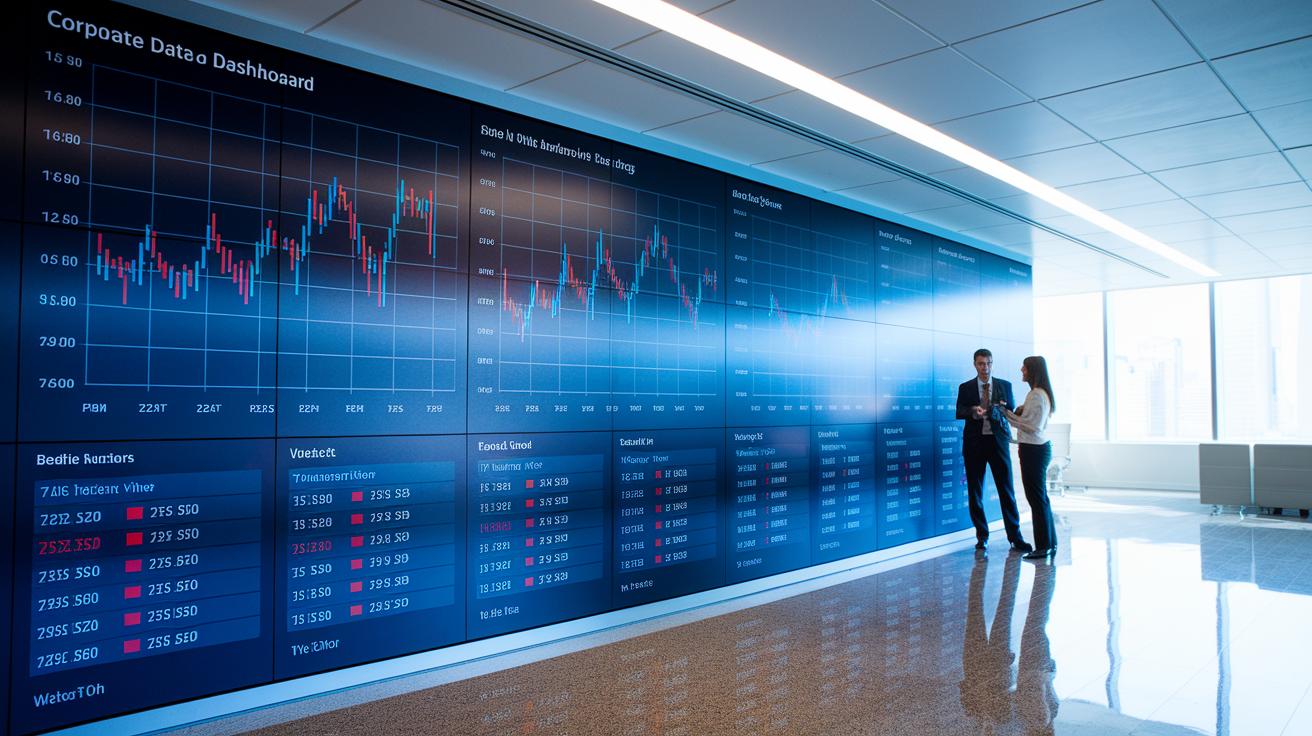
Modern visualization techniques turn raw numbers into clear, interactive graphics that tell a story at a glance. Imagine data popping up on live dashboards, refreshing in real time like a quick weather update for your business. With fast database updates and a single, centralized data source, these tools help teams see performance trends in seconds. Plus, no-code analytics platforms let anyone create interactive charts and visual stories without needing to write complex code.
When it comes to designing these visuals, clarity and engagement are key. Think of it like telling a good story with your data, using easy-to-follow images and charts that guide you through every step. Teams can pitch in with feedback to tailor dashboards and models that match their needs. By combining smart automation with a thoughtful, intuitive layout, you can keep track of your most important numbers and adjust your strategy as new insights come in.
Case Studies and Applications of Data-Driven Market Analytics

LiberEat shows how smart data can really boost a business. They used tools like Persona and .Trends subscriptions to build clear buyer profiles, which helped ramp up their conversion rates. It’s like tuning your radio to just the right station, suddenly, everything connects perfectly, driving both revenue and better market performance.
A retail brand also reaped great benefits by focusing on what customers buy. They improved their forecasting and got a sharper look at the competition by studying purchasing habits. By constantly checking performance numbers, they adjusted their product mix to match customer needs. This is similar to perfecting a recipe through endless taste tests, ultimately leading to a win in a tough market.
A manufacturing firm tightened its operations by keeping a close eye on logistics and overall work flow. With regular data checks, they trimmed costs and sped up delivery times. Think of it as keeping your car well-tuned, everything runs smoothly and efficiently. Each of these examples shows that when you use clear, data-driven steps, you can turn numbers into real-world success.
Best Practices and Actionable Insights in Data-Driven Market Analytics

To start, companies should set clear key performance indicators (KPIs) like conversion rates, customer lifetime value, and market penetration. These are simple measures that help everyone know what matters most. When every team member understands these numbers, the data gets better and choices become more solid. Having a set of rules to follow (governance guidelines) ensures that everyone stays on the same page and that the shared data is both correct and up-to-date.
Some simple steps to follow include:
- Framing KPIs in a clear way to spot the main business drivers.
- Checking data quality often so you always trust the numbers.
- Running small tests frequently to fine-tune campaigns as things change.
- Keeping team members, partners, and other important players closely in sync.
- Setting up regular feedback loops to quickly adjust plans when needed.
New tools like embedded AI features and low-code pipelines (which let you build solutions without heavy coding) help teams without deep technical training. Even if you're not a tech expert, you can set up dashboards, run tests swiftly, and see updates in real time. This makes the whole process simpler and gives top leaders a clear view of how things are doing. By using decision science methods (ways to make choices using facts and numbers) and planning for different scenarios, companies can use data as a steady guide for smart spending and planning, making sure every move is based on strong, clear insights.
Final Words
In the action, data-driven market analytics shows how raw numbers can guide smart decisions. The blog breaks down modern tools like low-code ETL pipelines, real-time database sync, and AI that deliver predictive insights and interactive dashboards.
It also highlights actionable best practices and real-world examples that simplify complex strategies. With clear metrics and advanced frameworks, the path to long-term financial success is brighter than ever. Embrace these tactics to make confident choices and boost financial confidence today.
FAQ
What are some examples of data-driven market analytics and marketing?
The data-driven market analytics examples show how businesses use customer feedback, sales data, and digital interactions to fine-tune strategies and drive better results through methods like conversion tracking and trend analysis.
What learning resources exist for data-driven market analytics and marketing?
The data-driven market analytics resources include PDFs, courses, and books that explain how to collect and analyze data, helping you build smarter marketing campaigns and make well-informed decisions.
What is a data-driven digital marketing agency?
The data-driven digital marketing agency uses in-depth analytics to design, optimize, and tailor campaigns, ensuring marketing efforts are backed by measurable, real-time data for improved targeting and efficiency.
What is data-driven market analysis and analytics?
The data-driven market analysis brings together data from multiple sources to spot trends and customer behavior, while data-driven analytics involves interpreting this data to refine strategies and boost performance.
What is the 3 3 3 rule in marketing?
The 3 3 3 rule in marketing outlines a basic framework where you focus on three key messages, three engagement approaches, and three call-to-action strategies to consistently connect with your audience.
What are the 4 D’s of digital marketing?
The 4 D’s of digital marketing break down the process into drafting clear digital objectives, designing engaging content, deploying campaigns across channels, and diligently measuring performance to drive continuous improvements.