

Have you ever thought about trying a fresh mix for your investments? Imagine your portfolio as a small garden with different spots for each type of plant. Stocks are like bright, blooming flowers, bonds are the sturdy, reliable bushes, and cash is the handy watering can that’s ready to bring new opportunities. This blend helps your money grow while keeping it safe at the same time. By using this hands-on approach, you take clear steps toward shaping your financial future. So, are you ready to see how this balanced mix can work for you?
Practical Example of Asset Allocation for a Balanced Portfolio

Imagine your investment portfolio as a well-tended garden. In this garden, you spread your seeds among different plots, some for stocks, some for bonds, and some kept as cash. Half of your garden, or 50%, is planted with stocks. Stocks are like vibrant flowers that have the chance to grow over time, even if they sometimes face a few bumps along the way.
Next, 30% of your garden is filled with bonds. Think of bonds like sturdy shrubs that help smooth out those ups and downs by providing a steady source of income. They act as a counterweight when the stock section gets a bit wild. The remaining 20% is kept in cash. Cash is like having water on hand for when you need to make quick moves or take advantage of new opportunities.
Here’s a simple breakdown of this diversified garden:
| Asset Class | Percentage | Role |
|---|---|---|
| Equities | 50% | Growth potential |
| Bonds | 30% | Stability and income |
| Cash | 20% | Liquidity for opportunities |
It’s a good idea to tune up your garden every year. When market changes cause one area to grow too much, say stocks swell past 50%, you can gently trim them back and add a bit more to bonds or cash. This regular rebalancing helps keep your portfolio aligned with your comfort level and long-term goals. Think of it as making sure every part of your garden gets just the right attention to flourish.
Age-Based Asset Allocation Model Discussion

Think of your investment mix like a simple math problem: 100 minus your age. If you're 40, that means about 60% of your money goes into stocks, with the remaining 40% in bonds. This rule, often known as the rule of 100, helps you find a balance between risk and reward. Some experts even suggest using 110 or 120, which gives you more stocks if you’re okay with a bit more risk. One great thing about this approach is it naturally adjusts as you age.
For example, if you're 30, you might choose a bolder mix like 70% stocks to aim for faster growth. Over time, target-date funds ease you into a more secure setup by slowly reducing your stock exposure as your retirement gets closer. This life-cycle strategy is like gradually shifting gears on a road trip, helping keep your portfolio stable when surprises hit the market.
| Age Range | Stocks | Bonds |
|---|---|---|
| 20-29 | 80% | 20% |
| 30-39 | 70% | 30% |
| 40-49 | 60% | 40% |
| 50-59 | 50% | 50% |
| 60+ | 40% | 60% |
Dynamic Mix Demonstration with Aggressive vs. Conservative Samples
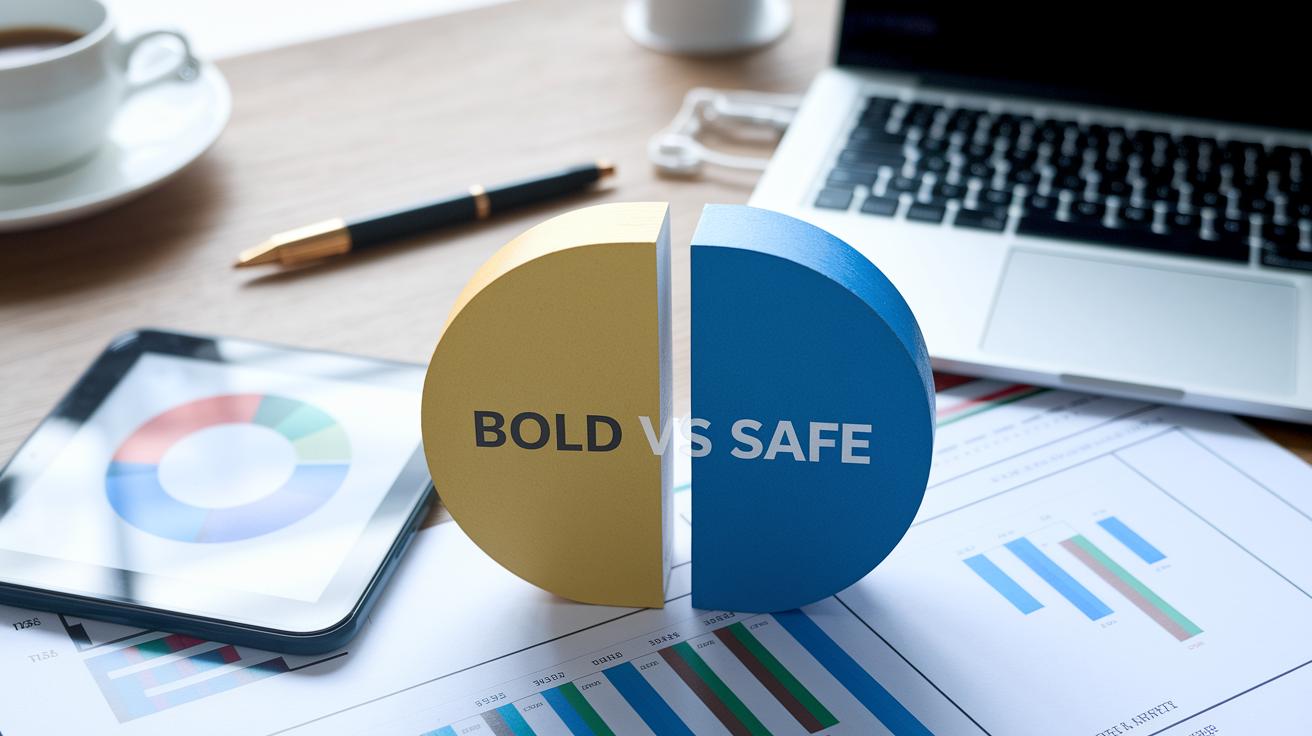
Think of your portfolio as having two different moods. One side is daring and aims high, while the other plays it safe and steady. For the bold mix, envision a portfolio that leans mainly on stocks. In this version, half of your money goes into big, well-known companies with strong growth potential. Another 30% is invested in smaller or mid-sized companies, which could add extra boost if the market is on a roll. The last 20% is tucked into bonds, which act like a cushion when stocks take a dip. This approach is great if you’re okay with some ups and downs for the chance of bigger rewards over time.
On the flip side, the safe mix focuses on keeping things stable. Here, only 30% of your funds go into stocks to tap into growth, but in a milder way. A more significant 50% is pooled into bonds to help steady the ride. The remaining 20% is kept as cash, ready to use whenever you need a little extra breathing room during choppy times.
| Asset Class | Aggressive Mix | Conservative Mix |
|---|---|---|
| Equities | 50% (large-cap) + 30% (mid/small-cap) | 30% |
| Bonds | 20% | 50% |
| Cash | 0% | 20% |
This breakdown shows how shifting the portion of stocks can change the risk and possible rewards. When stocks drop and bonds rise, the mix can help keep your overall portfolio smoother. Have you ever thought about how a slight change in your investments can make a big difference?
Example of asset allocation: Bold Investment Mix
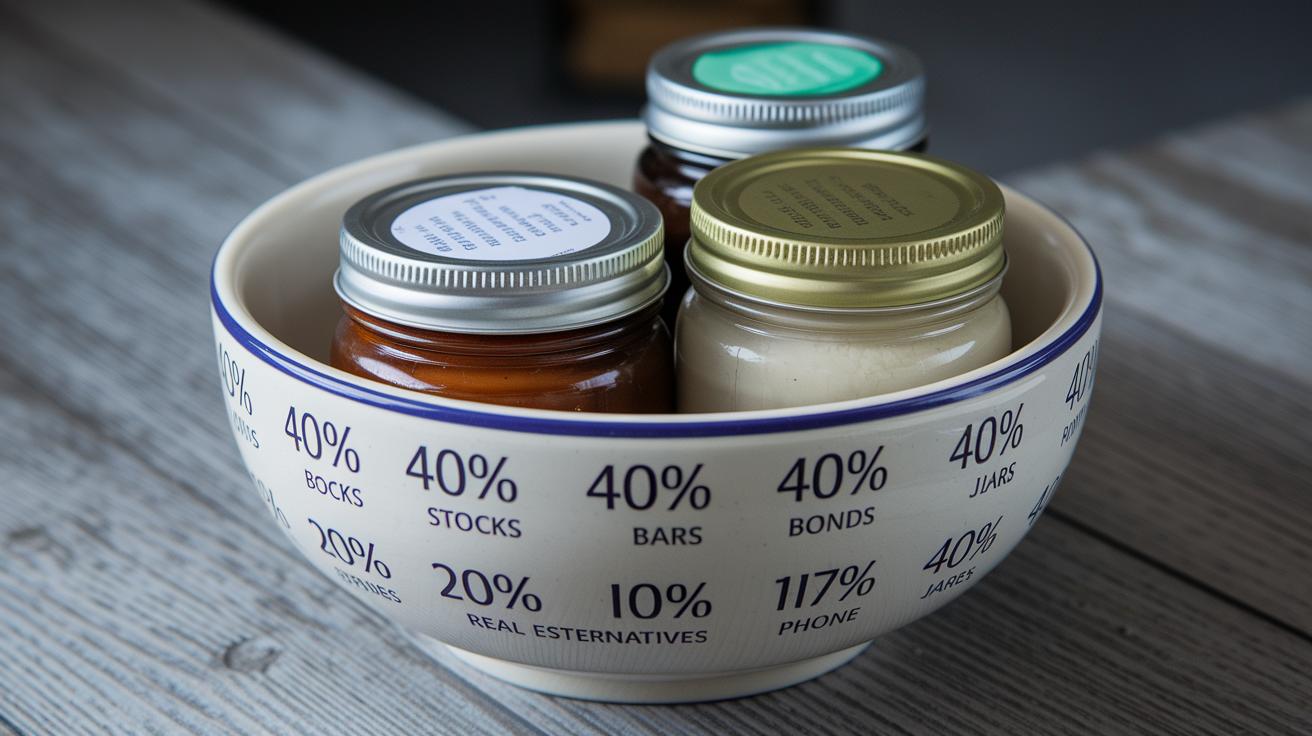
Imagine your portfolio as more than just stocks, bonds, and cash. It’s like mixing ingredients for a great meal, adding investments like real estate and alternatives to the usual trio. For example, if you have a larger portfolio, you might go with 40% stocks, 20% bonds, 20% real estate, 10% alternatives, and 10% cash. Stocks can help your money grow, bonds make sure you get steady income, real estate gives you a tangible asset that may earn rental income or increase in value, alternatives add variety with options like hedge funds or commodities, and cash stays on hand for quick opportunities.
This kind of mix spreads out your risk because each type of asset reacts differently when markets shift. Real estate and alternatives can be a nice boost, especially when conditions favor physical properties or niche markets. Still, it’s important to adjust the mix based on how soon you might need cash and how long you plan to invest. For instance, if you foresee needing cash quickly or aren’t sure about market timing, keeping a larger cash reserve might be the smarter move.
It makes sense to review your portfolio regularly and rebalance it as needed. Many investors even use tools like an investment tracker to monitor their mix and tweak it when market changes occur. This hands-on strategy not only aims to improve returns over time but also helps cushion against market ups and downs, offering a practical roadmap for managing wealth.
| Asset Class | Percentage | Role |
|---|---|---|
| Stocks | 40% | Growth potential |
| Bonds | 20% | Steady income |
| Real Estate | 20% | Tangible asset |
| Alternatives | 10% | Diversification |
| Cash | 10% | Liquidity |
Three-Fund Strategy by Generation Case Study
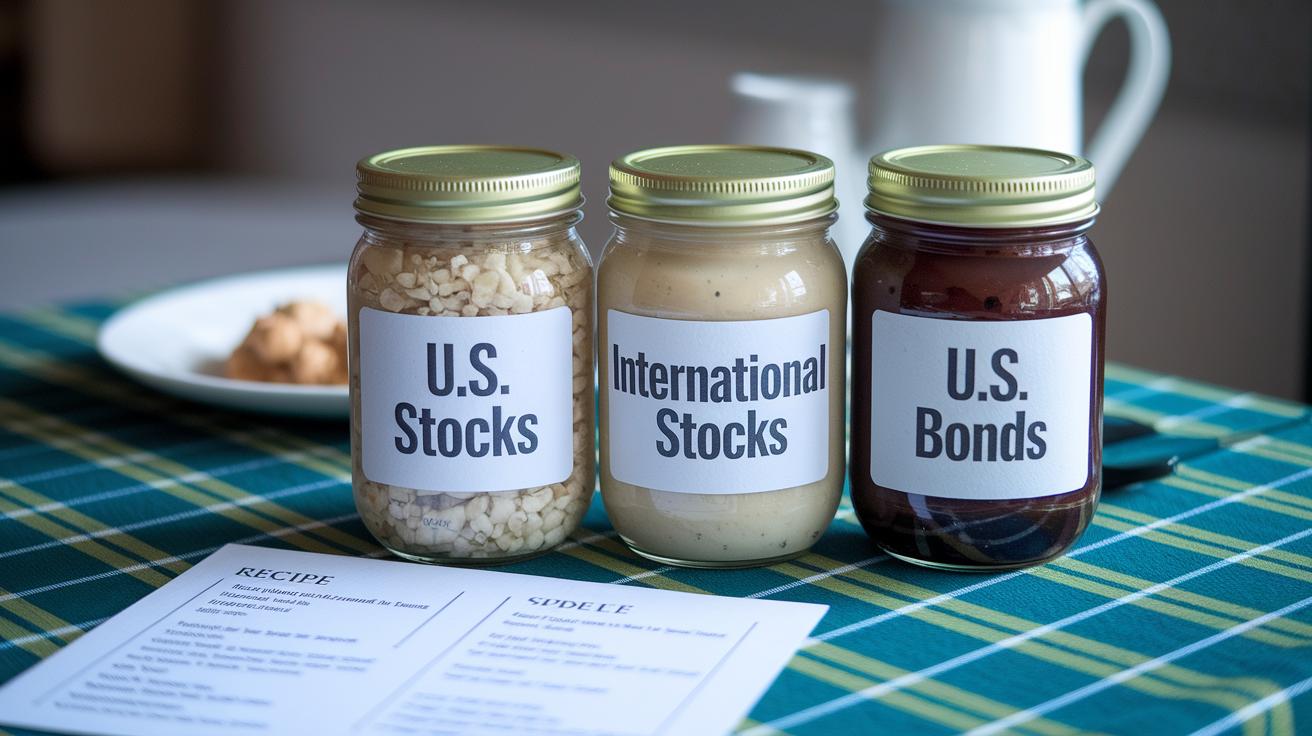
Think of a three-fund portfolio as a recipe with three main ingredients: a US stock market fund to capture the broad domestic scene, an international fund for growth around the globe, and a US bond market fund to add stability. The idea is to change the mix depending on where you are in your financial journey.
For example, a millennial with plenty of time ahead might lean into a riskier mix. They could set aside 70% for US stocks, 15% for international stocks, and 15% for bonds. This strategy plays on the possibility of bigger gains over time, since young investors can ride out the ups and downs. Someone once described it as "planting more seeds in a field that has plenty of time to grow."
On the other hand, a Baby Boomer might prefer something a bit more balanced. With fewer years before retirement, they might choose 40% for US stocks, 20% for international stocks, and 40% for bonds. This approach aims to keep the ride smooth while still giving a nod to growth, like tending a garden that needs a mix of sun and shade.
| Generation | US Stocks | International Stocks | Bonds |
|---|---|---|---|
| Millennial | 70% | 15% | 15% |
| Baby Boomer | 40% | 20% | 40% |
Spreadsheet Portfolio Layout Sample Using Excel

Imagine Excel as your own financial lab. You simply enter your age and risk comfort level, and the spreadsheet figures out a mix that works for you. The templates come with built-in formulas that quickly calculate your asset weights. For example, if you’re 45 and prefer a moderate level of risk, the tool might suggest a mix like 55% stocks with 45% bonds to give you both growth and a bit of safety.
Excel also lets you play with what-if scenarios. You can see how rebalancing your portfolio over time affects your overall mix when one asset class drifts from its target. If the market suddenly shifts, you might decide to move some funds from stocks to bonds and keep your plan on track.
If you want more detailed strategies, check out our guide on building an investment portfolio. This Excel tool gives you a clear, real-time view of your financial mix and lets you adjust it whenever needed.
Beginner Portfolio Composition Tactics and Rebalancing Tips

Before you start investing, get to know your own style. Fill out a simple investor profile quiz to figure out how you feel about the ups and downs of the market. You might ask yourself, "Can I handle a few bumps along the way?" This little check helps you decide just how much risk works for you.
If you’re using a retirement plan from your job, see if it has target-date funds. These funds adjust your mix of investments as you get closer to retirement, smoothly shifting from more stocks to more bonds. Imagine it like slowing down from a sprint to a gentle walk as you near an important finish line.
It’s a good idea to look over your portfolio from time to time. Think of it like checking the ingredients in your favorite recipe to keep everything tasting just right. Setting up a regular rebalancing routine means you move money between stocks, bonds, and cash to keep your plan balanced, even when the market takes unexpected turns.
Here are a few simple steps:
- Complete an investor profile quiz
- Explore employer retirement plans with target-date funds
- Set up regular check-ins with a financial expert
- Create a rebalancing plan to keep your mix steady
Tools like a retirement planning calculator, for example our retirement planning calculator, can help you guess what your portfolio might need in the future. And chatting with a trusted advisor every now and then makes sure your investments stay on track with your goals.
Final Words
In the action, we explored a clear example of asset allocation that offers peace of mind by balancing stocks, bonds, and cash. We broke down real case studies and showed how adjustments work with age, net worth, and risk tolerance.
Each section provided simple steps to build a well-rounded plan so you feel more secure about your money.
Keep experimenting with different mixes and rebalancing strategies, and watch your investment plan blossom over time. Stay positive and confident in every decision you make.
FAQ
Frequently Asked Questions
Q: What is asset allocation in simple terms?
A: Asset allocation in simple terms means dividing your money among stocks, bonds, and cash to balance risk and reward. This mix helps protect your portfolio from volatile market swings.
Q: What are some examples of asset allocation in the stock market?
A: Examples of asset allocation in the stock market include a balanced mix such as 50% equities, 30% bonds, and 20% cash. This structure offers growth potential while managing risk effectively.
Q: What asset allocation strategies are available?
A: Asset allocation strategies range from age-based models—like using “100 minus your age”—to mixes that lean more aggressive or conservative depending on your risk tolerance and financial goals.
Q: How do asset allocation tools like a calculator or app work?
A: Asset allocation tools, such as calculators or investment portfolio apps, use your inputs on age and risk tolerance to generate a recommended mix of stocks, bonds, and cash, simplifying portfolio management.
Q: How does age affect asset allocation?
A: The effect of age on asset allocation means younger investors typically hold more stocks while older investors shift to more bonds, often applying formulas like “100 minus your age” for a safer mix.
Q: How much will $1000 a month invested for 30 years be?
A: Investing $1000 a month for 30 years can grow significantly through compound interest, though the exact amount depends on the average return rate and any fees encountered along the way.
Q: What is a good asset allocation for beginners?
A: For beginners, a good asset allocation often features a straightforward mix of stocks and bonds to match a moderate risk level, offering an easy-to-manage and balanced approach to investing.
Q: How do Vanguard portfolio allocation models function?
A: Vanguard portfolio allocation models recommend rounded mixes of stocks and bonds based on your investment horizon and comfort with risk, helping to streamline and clarify your investment approach.