

Ever thought that a few dollars today might light the spark for a bright future? It can feel a bit scary to invest since it seems risky at first, but even small amounts can build a strong base over time, just like a tiny seed growing into a big, sturdy tree with a little care. In this guide, I'm going to walk you through easy steps, explain how compound interest works (that’s when your money starts to earn more money on its own), and show you how to begin investing without any confusion. It’s all about setting up a plan that suits your life and opens the door to great opportunities tomorrow.
Key Steps for Getting Started with Investing

Jumping in right away is a smart move. Even a small amount of money can start working for you, imagine it like planting a tiny seed that grows into a sturdy tree over time. With compound interest (that’s when your earnings start earning their own earnings), a $200 monthly contribution at a 6% return might turn into nearly $33,000 in just 10 years, with about $9,000 coming from the interest alone.
Every choice you make should match what matters most to you, whether it’s your budget, goals, or timeline. Learning the basics of investing isn’t complicated. It’s all about picking a plan that fits your life and watching your efforts grow steadily.
- Begin investing as soon as you can, even if it’s just a little.
- Get to know the different types of investment accounts.
- Figure out how much you can invest based on your budget.
- Choose the right kind of investment account for your goals.
- Pick an investment strategy that lines up with what you want and when you need it.
- Learn about the main investment options, like stocks, funds, and bonds.
Think of this as a flexible roadmap that you can bend and adjust as your life changes. If your plans evolve or new chances come along, it’s perfectly okay to change your strategy. Each decision builds a strong financial foundation that grows more solid over time, like tending to a garden that blossoms with care.
Key Investment Accounts for Getting Started with Investing

When you're just starting out, there are plenty of ways to invest that fit different needs and goals. You might use an employer-sponsored plan, set up an IRA, or even go with a taxable brokerage account. Today’s digital tools, like easy-to-use broker platforms, robo-advisors, and mobile apps, make it simple to keep an eye on your investments.
| Account Type | Minimum Contribution | Tax Benefits |
|---|---|---|
| 401(k) | 1-2% of paycheck | Tax-deferred growth; possible employer match |
| Traditional IRA | $0 minimum | Tax-deferred until withdrawal |
| Roth IRA | $0 minimum | Tax-free growth with qualified distributions |
| Taxable Brokerage Account | No set minimum | No tax advantages |
When choosing an account, think about the fees, how easy it is to use, and what your personal goals are. Maybe you like the idea of a robo-advisor that automatically spreads your funds based on your comfort with risk, or perhaps you prefer a digital broker that offers low fees and a neat mobile experience. Whichever option you pick, make sure it fits your budget and helps you stay focused on your financial journey.
getting started with investing: A Bright Beginning

When you're setting out to build wealth, the best first step is to set clear investment goals. Think about what you want to achieve, whether it's saving up for a new car soon or planning for a comfortable retirement later. Decide on your timeline and consider how much risk you feel okay with. It’s a bit like drawing up a simple blueprint for a home, each choice helps create a secure future.
Next, work on creating a balanced mix of investments. Instead of putting all your money in one spot, try to spread it across three to five low-cost index funds or ETFs. This approach, known as diversification (spreading your money out to reduce risk), helps keep your overall returns smoother if one part doesn't perform well. If you're curious to learn more, check out the best practices for investment portfolio strategy for ideas that adapt as your goals change.
Finally, reinvesting dividends can really give your portfolio an extra boost. When dividends come in, putting them back into your investments is like adding extra fuel to your financial engine, helping your money grow faster. Balancing stocks with fixed-income options keeps your portfolio steady while you chase long-term growth.
Risk Management Techniques for Getting Started with Investing

Investing always comes with market risk. There is no asset that is completely safe, and even the ones that seem secure can face unexpected changes. Every type of investment, whether it's stocks, bonds, or funds, has its own ups and downs. Understanding that these fluctuations are part of the process can help you manage short-term setbacks without losing sight of your long-term goals.
One good way to manage this risk is to diversify. This means spreading your money across different investments so that if one area suffers, it doesn't hurt your whole portfolio. Think of it like making a fruit salad; even if one fruit isn’t as sweet as you hoped, the mix still tastes great. Checking in on your investments from time to time and rebalancing them helps you stick to your plan, even when market trends change unexpectedly.
Emotions like fear and greed can easily lead you off course. When the market gets shaky, you might feel tempted to sell when prices are low or buy when they're too high. By reviewing your investments regularly and setting realistic time frames, you can keep those strong feelings in check. This steady approach lets you turn market ups and downs into a manageable part of building a solid, balanced financial future.
Investment Options for Getting Started with Investing
Stocks are like owning a tiny piece of your favorite shop. When you buy stocks, you join in on the company’s journey and may even receive dividend payments, which are extra cash rewards shared by many companies with their owners. It’s a bit like enjoying a slice of pizza from a place you love, if the shop does well, you benefit too.
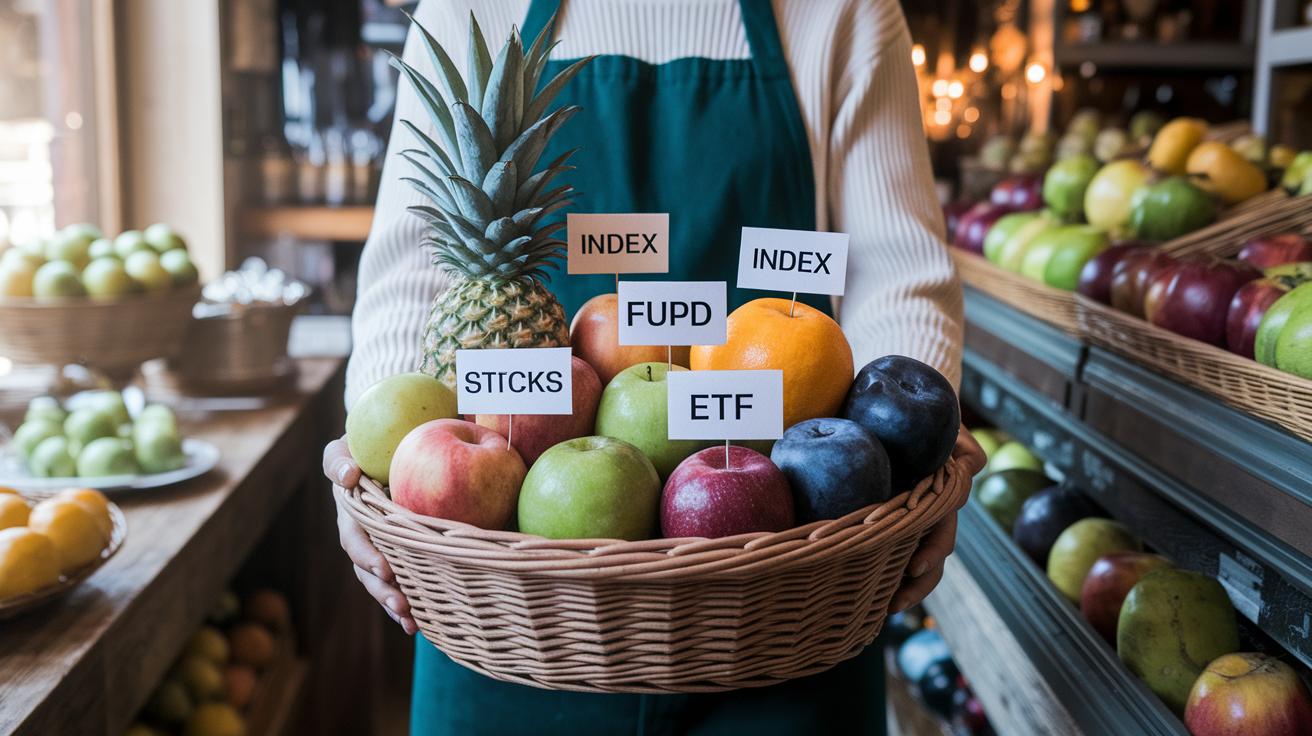
Index funds and ETFs offer an easy way to invest in an entire market or a big part of it, such as the S&P 500. Think of it as picking up a mixed bag of fruit instead of just one type. By spreading your money around many companies, you lower the risk. Many of these funds have low fees and no minimum investment, so they’re a smart first step for beginners.
Bonds and certificates of deposit (CDs) work a little differently. When you invest in these, you’re basically lending money to a company or even the government, and they pay you interest for your trust. They usually come with a set time period, from six months up to five years, and tend to be more stable choices when you want a steady, reliable pace rather than a fast ride.
Alternative options are perfect if you’re just starting out and don’t have a big sum to invest. With fractional shares, you can buy just a piece of a stock instead of the whole thing. Micro-investing apps let you add up even small amounts from your everyday purchases. It’s an easy way to dip your toes into investing without needing a full pie right away.
Remember, the best mix for you depends on your own goals and how much risk you’re comfortable with. Whether you lean towards the extra income from stocks, the balanced spread of index funds, or the steady track of bonds, choose the options that match the financial future you picture for yourself.
Educational Resources for Getting Started with Investing

Learning continuously builds the confidence you need when investing. It’s like having a trusty guide that helps you understand market shifts and plan strategies that align with your dreams.
When you’re just starting out, take a look at a mix of resources to see what really fits you. For instance, simple books like "The Little Book of Common Sense Investing" and "Investing for Dummies" turn complex ideas into clear, everyday language. You can also tune into podcasts such as "The Investors Podcast" and "Money For the Rest of Us" to pick up insights from experts while you're out and about. And if you prefer watching and listening, video lessons on Khan Academy and Investopedia can show you investing concepts in action. Plus, many brokers offer free email courses and webinars that walk you through key ideas step by step.
Another handy tip is to start your own glossary of financial words. Jot down terms and their meanings as you learn, they can be like little building blocks that strengthen your overall understanding.
Regular Portfolio Reviews When Getting Started with Investing

Keeping a regular check on your investments is like giving your financial plan a health check-up. It helps you make sure everything is on track, whether you review once a year or whenever a big change happens in your life. This simple habit can really keep you in touch with your money goals.
One smart idea is to watch important numbers that show how well your money is growing. For example, the compound annual growth rate tells you the yearly gain when your returns are reinvested. Dividend yield shows you the cash your investments pay back, while expense ratios explain the fees you pay. Many people use online dashboards or even a simple spreadsheet to track these numbers.
If you ever notice one part of your investments growing much faster than the rest, it might be time to take a closer look and adjust things. This might mean selling off some gains to put more money into areas that are lagging behind, a process that adds extra strength to your overall plan. Reinvesting dividends is like adding more fuel to your financial engine, giving it an extra boost.
It is a good idea to set up alerts, use checklists, and mark your calendar for each review period. This way, you stay ahead of any market changes and make sure your investments keep matching your goals. Try to think of it like tending to a garden; a little care now and then helps your money bloom over time.
Final Words
In the action of putting these six clear steps into practice, you’ve seen how starting with even small investments can set the stage for long-term success. We’ve explored essential account types, investment options, and risk management tips that simplify the process and make growth possible.
By keeping your strategy aligned with personal goals, you’re truly getting started with investing as you build confidence and financial strength. Keep learning, stay consistent, and enjoy watching your wealth grow.
FAQ
How can beginners start investing effectively?
The question about starting investing for beginners shows that beginning with a low minimum investment, learning the basics, and opening an accessible account builds a strong financial base for future growth.
How can students and teenagers start investing?
The question on how to start investing as a student or teenager explains that starting small, using tax-advantaged or custodial accounts, and learning simple financial concepts can help build lasting money habits.
How can individuals invest with little money?
The inquiry about investing with little money highlights that even small sums can work by using platforms that allow fractional shares or low deposits, giving beginners an opportunity to gradually build a diversified portfolio.
What do investing guides like a PDF for beginners offer?
The question regarding an investing for beginners PDF indicates that such guides offer step-by-step instructions, definitions, and examples to simplify investing concepts and help newcomers get started with clear direction.
How does investing work for beginners and how much money is needed?
The question addressing how investing works for beginners explains that money is planted in assets that may grow over time through compound returns, and while starting amounts vary, consistent small contributions can be effective.
What can be expected if $1000 is invested in the S&P 500 or if trying to turn $1000 into $10000 in a month?
The question comparing a $1000 investment in the S&P 500 to rapidly turning $1000 into $10000 explains that long-term investing may yield significant growth through compounding, while a quick tenfold increase in a month is highly unlikely and risky.