

Have you ever wondered if keeping all your money in one place might be too risky? History shows us that no single market always delivers the best returns. Think of investing as planting seeds in different gardens; if one garden doesn’t grow as well, the others can still flourish.
Spreading your investments around the world can help soften the blow when markets drop at home and even open doors to exciting opportunities abroad. It’s like having a backup plan that keeps your journey steady and full of potential.
In this piece, we’ll chat about how blending local investments with international ones can lead to more balanced growth and smarter returns, just like tending to a garden that keeps blooming, no matter what challenges come its way.
How global diversification in investment portfolios enhances returns and reduces volatility

When market trends change suddenly, it can feel like you're riding a roller coaster. Even though U.S. stocks have performed well in recent years, history shows us that no single market always leads the pack. For instance, between 2000 and 2010, the S&P 500 struggled while markets in Australia, Brazil, and Canada flourished, thanks in part to rising commodity prices.
Putting all your eggs in one basket can be risky. By focusing solely on your home market, you leave your portfolio vulnerable to one economy or currency. Spreading your investments internationally is like planting seeds in many different gardens. This way, if one garden has a rough season, the others can still bloom nicely. Tapping into global assets, as discussed on Mechgurus.com, means mixing local and international investments to create a balanced approach that handles market ups and downs more smoothly.
| Benefit | Description |
|---|---|
| Less Severe Losses | When markets dip, diverse investments help cushion your losses. |
| New Opportunities | International markets open doors to growing sectors that may not exist at home. |
| Currency Balance | Different currencies help balance out risks when one market isn’t doing well. |
| Smoother Returns | A mix of investments tends to give steadier performance over time. |
| Wider Growth Potential | Access to booming markets around the world can boost your gains. |
| Less Reliance on One Market | Having global exposure means your success isn’t tied to a single country. |
| Extra Protection | If one local market falters, your overall portfolio can still thrive. |
By mixing both domestic and international assets, you build a portfolio that can stand up to market swings. It’s like having the safety net of a trusted friend, always there to support your financial journey and help turn rough patches into opportunities for smart, steady returns.
Tracking regional performance in global diversification in investment portfolios
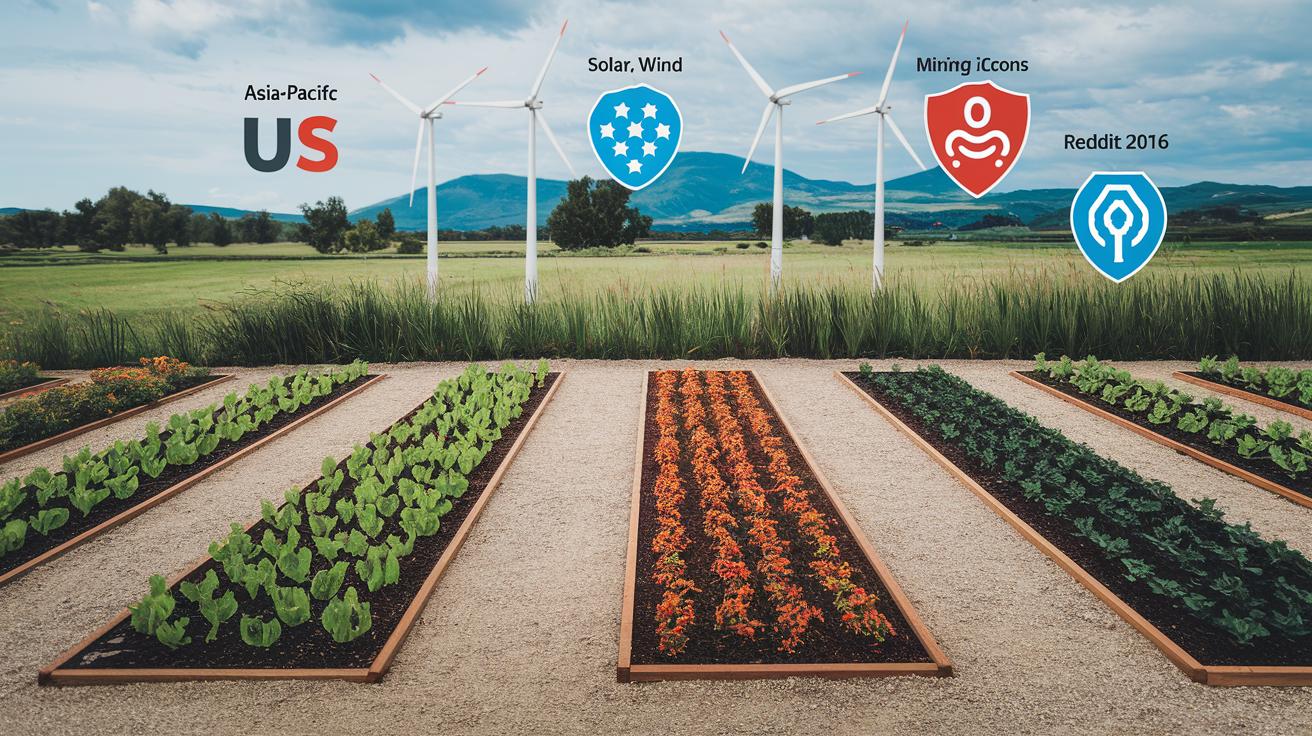
Looking at how different regions perform shows us that returns and market moves are not the same everywhere. The U.S. market has its own strong points, but places like Asia-Pacific and Africa have special opportunities in certain industries. Think of each region as a garden with distinct plants, renewables, semiconductors, commodities, and mining, that together create a balanced portfolio to weather market ups and downs.
| Region | Key Sectors | 10-Year Avg Return | Volatility |
|---|---|---|---|
| U.S. | Technology, Consumer Services | 8% | 4% |
| Asia-Pacific | Renewables, Semiconductors | 9% | 5% |
| Latin America | Brazilian Commodities | 10% | 6% |
| Europe | Steady Income, Finance | 7% | 3% |
| Middle East | Infrastructure, Energy | 6% | 4% |
| Africa | Telecom, Mining | 11% | 6% |
These numbers remind us that every part of the world has its own rhythm. By spreading investments across different regions, you can tap into growth in unique markets while lessening the impact of rough patches. This approach helps keep your portfolio balanced, much like mixing colors on a painter's palette to create a beautiful landscape.
Implementing a multinational asset allocation strategy in global diversification in investment portfolios

Determining target regional weights
Think of setting regional targets like arranging groceries on your shelf. You first look at each region's possibilities, much like checking a product label. If a country has a booming tech scene and lots of market power, you might decide to put a bit more there. Many advisors recommend starting with about 10–20% in international assets so one market doesn't take over your portfolio and you keep both risk and returns in check.
Selecting asset classes by region
After you set your regional targets, it’s time to pick the right mix of asset types for each place. Imagine each asset class as an ingredient in your favorite recipe. Global stocks, real estate trust funds, commodities, safer bonds, and even some higher yield debt can all join in. In some local markets, you might need a mix of government and company bonds, while fast-growing regions could use more stocks. You can even include options like currency-hedged classes or local-currency funds to help manage exchange risks, sort of like adding that perfect pinch of spice to brighten your dish.
Maintaining allocations with rebalancing
Even the best plans need a little tune-up now and then, much like watering a garden. When one region shines too brightly and grows more than planned, it might be a good idea to sell a bit and let the quieter areas catch up. Regular rebalancing means you adjust your investments when things drift away from your targets. By using simple tools to rebalance your portfolio, you keep your global strategy on track with your long-term money goals.
Managing risks and currency complexities in global diversification in investment portfolios

Global diversification can open up exciting opportunities, but it also brings along challenges like currency swings, geopolitical shifts, market differences, liquidity issues, and tax hurdles. Imagine it like tending to a garden where each plant needs different care, if one aspect goes awry, it can shake up the whole picture.
To ease these bumps, consider using risk mitigation tactics across different regions. For example, a foreign currency hedging strategy helps smooth out those wild exchange rate swings. Plus, choosing investments from stable areas can give you an added layer of comfort. Tools like liquid ETFs or ADRs are like your trusty watering cans, they ensure you have enough flexibility, especially during tight trading times. For more on managing these complexities, check out the insights from our risk management strategies.
When you’re selecting investments to protect your portfolio, aim for instruments that are both flexible and easy to trade. Look for options traded in major markets that match your comfort with risk. And don’t forget to review your holdings regularly; a quick check-up can help you adjust your positions to stay ahead of currency fluctuations and other market challenges.
global diversification in investment portfolios: Smart Returns

When you're ready to explore markets across the globe, you have a handy set of tools at your disposal. You can mix and match different options, like mutual funds, ETFs (think of them as baskets of stocks that let you tap into global trends), and other instruments such as ADRs, GDRs, or even local-currency debt. These choices make it easier to build a diverse portfolio that spreads risk and takes advantage of opportunities worldwide.
Online portfolio platforms add another layer of ease by mixing in smart analytics that help you keep an eye on investments in different countries. Picture a dashboard that shows you, in real time, which global assets are doing well and lets you make choices based on solid data. With built-in automation tools, these platforms can adjust your investment mix automatically when markets shift, ensuring your portfolio stays in balance. This approach lets you stay on top of global economic cycles while aiming for steady, smart returns over time.
Final Words
In the action of balancing shifting market cycles and easing home-market concentration risk, we’ve highlighted how expanding international assets calms volatility and can boost returns. Key benefits include a smoother risk profile, expanded sector reach, and currency variety.
By embracing global diversification in investment portfolios, you can build a resilient plan that adjusts to change while lighting the way for long-term financial success. Stay positive and keep moving forward with confidence.
FAQ
What key insights do global diversification in investment portfolios pdf and 2021 resources offer?
The global diversification in investment portfolios pdf and 2021 resources explain how spreading assets internationally can smooth returns and reduce volatility by tapping into different markets and minimizing home-market concentration risks.
What do the Vanguard economic and market outlook for 2025 global summary and the 2025 investment outlook cover?
The Vanguard economic and market outlook for 2025 global summary and the 2025 investment outlook outline future market trends, emphasizing economic shifts and the importance of international exposure to optimize long-term portfolio performance.
How do Vanguard diversification and Vanguard investment strategies relate to global diversification?
The Vanguard diversification and investment strategies focus on including non-U.S. assets and various asset classes, underscoring a multinational asset allocation approach that helps control risk and improves overall portfolio returns.
What insights do global ex US developed markets equities and international equities forecast provide?
The global ex US developed markets equities and international equities forecast highlight trends beyond U.S. borders, offering investors guidance on capturing growth opportunities and managing varied market volatility in their global portfolios.