

Ever wondered how changes in world politics can shake up your investments? Picture your portfolio as a stack of cards, each one a different global event that can tip the balance one way or another. Some shifts might send prices soaring quickly, while others could slow down your returns, making the market feel like a roller coaster ride.
In this chat, we're breaking down just how these international moves leave their mark on the market and what that means for everyday investors like you. Have you ever thought that keeping an eye on world events might help you keep your investment plans steady? Let's explore this together and see how you can stay on track in these unpredictable times.
Geopolitical Events and Volatility: Direct Impact on Market Risk

Market risk means there is always a chance that your investment might drop in value because market conditions can change unexpectedly. If you want a deeper look at this concept, check out “What is market risk” at this link: https://mechgurus.com?p=1113.
Geopolitical events like wars, sanctions, and shaky politics have been stirring up global markets for many years. Research shows that when political uncertainty rises, stock returns usually dip and market swings become more noticeable. Reports such as the Bank of England’s Systemic Risk Survey (March 27, 2024) and the 2023 OMFIF Global Public Investor Survey back up this idea. In fact, data from the Geopolitical Risk index, which is built from news sources, often points to conflicts and tension. Meanwhile, another measure, the World Uncertainty Index, calculated by economists, presents a slightly different view of risk. Together, this historical data shows that worldwide political turmoil really leaves its mark on investment settings.
| Impact |
|---|
| Lower equity returns |
| Volatility spikes |
| Currency swings |
| Supply-chain shocks |
| Sector disruption |
These effects remind investors to stay alert during uncertain times. It makes sense to watch these signals closely when things get a bit wild. By keeping an eye on these indicators, you can adjust your approach when the market is in a state of flux. And if you feel like digging deeper into how global political unrest changes market risk, exploring more specialized financial research is a smart move.
Historical Case Studies of Geopolitical Impact on Market Risk
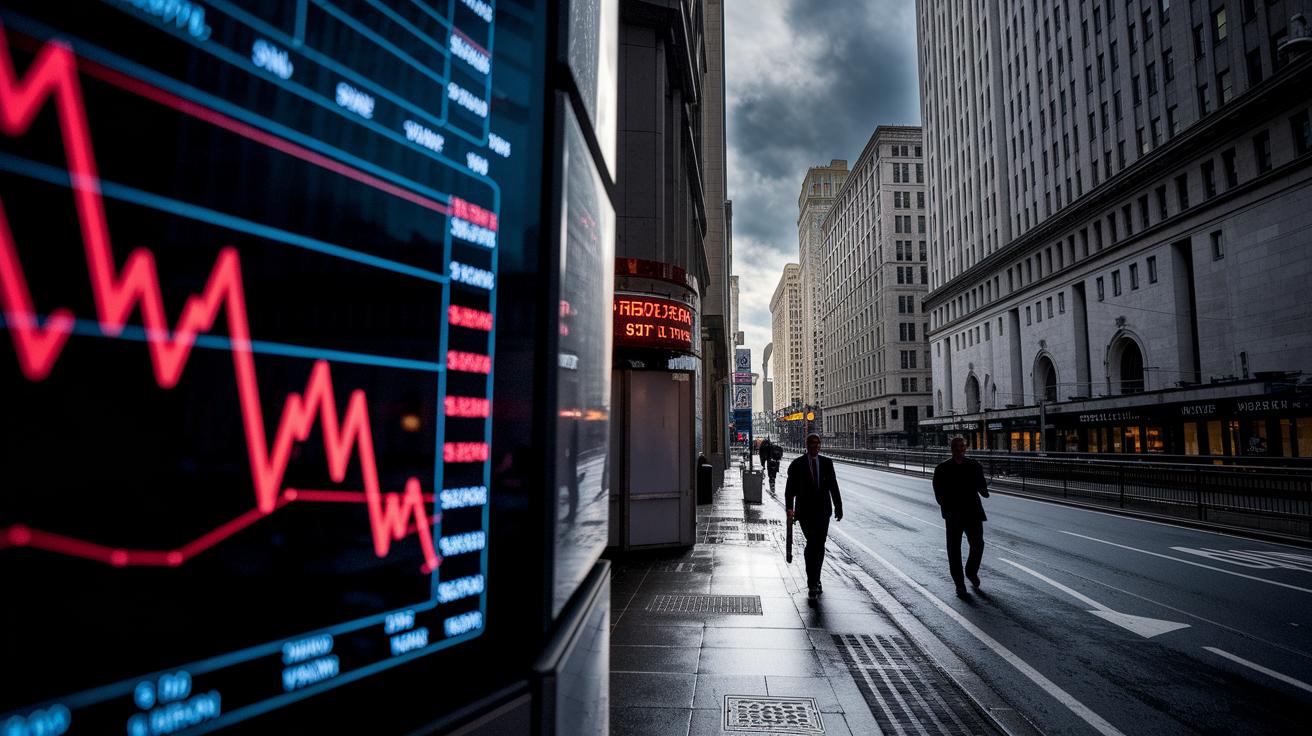
Have you ever noticed how quickly a big political event can shake up the markets? Think of it like a sudden storm rolling over a calm day. For example, on September 11, 2001, after the terrible terrorist attacks, the S&P 500 dropped about 4.9%. Meanwhile, the VIX, which you can think of as a gauge for how anxious investors feel, jumped 17 points. It was a clear sign that fear was spreading fast.
Then in 2014, when Crimea was annexed, the S&P 500 fell by roughly 2.5% while the VIX surged 25 points. People were understandably worried about what was next. Fast forward to February 2022: the Russian invasion of Ukraine caused the S&P 500 to dip by 3%, with the VIX climbing 15 points as investors braced themselves once again for uncertainty.
Just imagine if a major conflict broke out between Israel and Iran, since these regions produce about 18% of the world’s oil, prices could rise by around 20%. That kind of shift would send ripples through many connected markets.
These snapshots show us that political shocks can quickly unsettle the market. Although the regions and scales differ, each event led to significant dips in market indexes and a spike in volatility. They remind us to keep a close eye on global events, as these can change the market dynamics in a flash, making it essential for investors to stay informed and prepared.
Correlation Between Geopolitical Risk Indices and Market Volatility
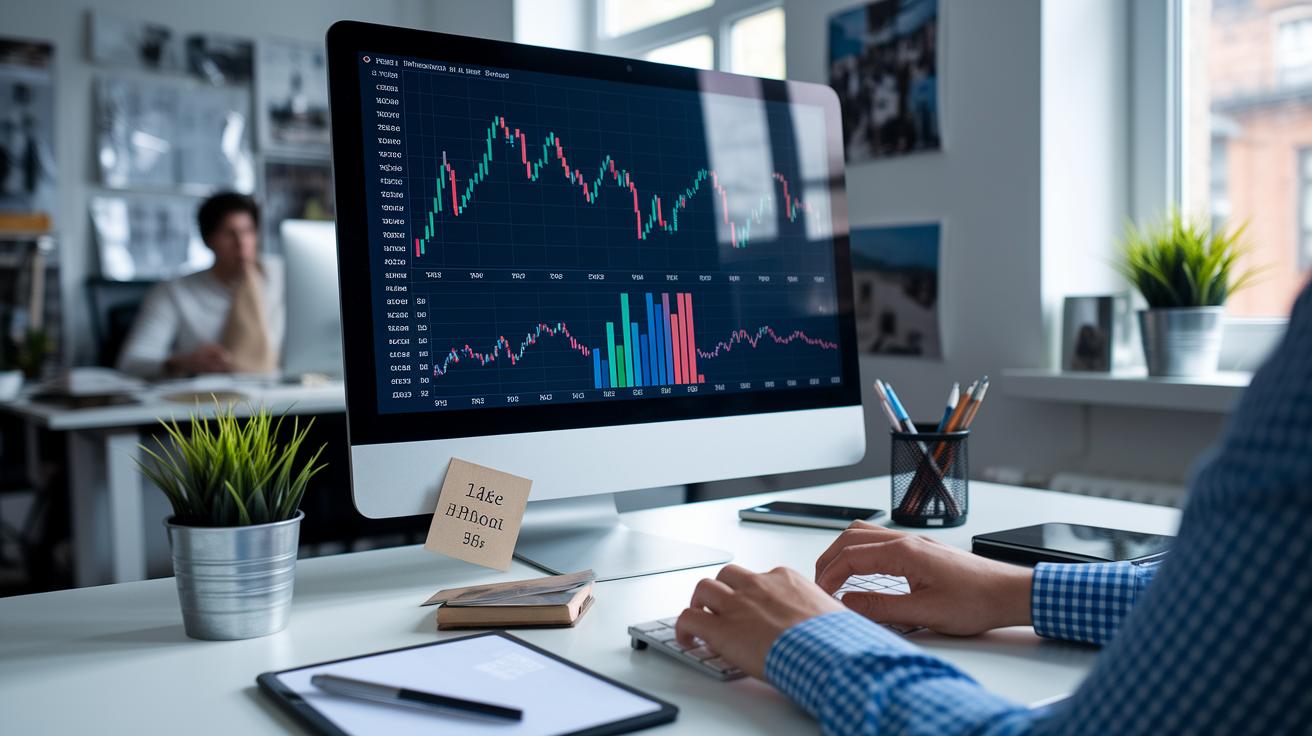
The GPR index and the VIX index are two handy tools that help us see how political events might shake up the markets. The GPR index pulls from news reports on conflicts and tensions to show the level of geopolitical stress, while the VIX index uses data from options pricing to measure the mood and jitters of the market. Experts even use methods like regression analysis (you can check out a detailed case study at https://tradewiselly.com?p=4596) to compare these numbers and see how they relate to each other.
Recent research has found a very weak link between these measures, a correlation coefficient of just 0.03 in levels and 0.05 when looking at the logarithmic changes. In simple terms, tests such as Granger causality indicate that changes in political worry don’t directly cause market volatility. This means that even if there’s a shift in global politics, it might not immediately send markets into a tailspin. Analysts also take a closer look by breaking things down by industry using sector classifications like GICS (developed by MSCI and S&P), which helps highlight risk differences across various fields. It’s a reminder that while these indices offer useful clues, investors should explore other risk factors as well.
For those managing investments, these insights show that geopolitical data gives a helpful snapshot of the landscape but needs to be combined with a broader risk assessment to really understand your portfolio’s potential exposure.
Sector Vulnerabilities in the Wake of Geopolitical Events

When conflicts or terror attacks take place, energy companies feel the heat right away. Oil prices jump quickly, almost like that sudden pinch you feel when gas prices spike unexpectedly. These fast changes can rock the commodity markets and push up costs for businesses that count on steady energy prices.
Tech companies face their own set of challenges under these conditions. With sanctions becoming a go-to tool in international disputes, many firms suddenly find themselves locked out of important markets. For instance, after events in 2022, companies ran into roadblocks that cut into their global operations. This means tech teams often have to rethink their plans while working within tougher limits, which can slow down performance and long-term growth.
Manufacturing and financial services aren’t spared either. Political disruptions can throw a wrench in trade, stalling production lines and delaying shipments much like an unexpected traffic jam for supplies. Financial firms must also deal with rapidly changing regulations and sudden policy shifts, adding to the overall uncertainty. To handle these bumps in the road, market players in these sectors are putting a heavier emphasis on risk management, hoping to cushion the blow when disruptions hit.
Managing and Hedging Market Risk from Geopolitical Turmoil

Diversifying your assets means putting your money into different types of investments. This way, if one part of the market faces trouble, it won't bring down your entire portfolio. Think of it as not putting all your eggs in one basket.
When political tensions rise, many investors shift toward safer choices. Gold and U.S. Treasuries, for example, act like a solid safety rope during stormy times. They help steady your finances when the market feels unpredictable.
Another smart move is using hedging tools. Options and volatility ETFs work like a cushion, reducing losses if the market suddenly spikes. These instruments don't eliminate risk entirely, but they do provide added protection when things get bumpy. For more details on these tools, take a look at our guide on risk management best practices at https://mechgurus.com?p=908.
Finally, keeping your investment mix in check with tactical rebalancing is key. By reviewing and adjusting your portfolio as market conditions change, you can better control your risk. This regular tune-up helps you stay engaged in the market while still taking care of your hard-earned capital.
Forecasting and Scenario Planning for Geopolitical Market Risk

Recent chats among top financial minds during the Q3 2024 Investment Trends Roundtable highlighted a growing risk with currencies for global equity investors. Experts are now keeping a closer eye on how shifts in international politics can change asset values. In other words, financial leaders and analysts are watching out for policy tweaks or sudden conflicts that might shake things up. This growing focus is driving talks on how reliable supply chains and moves by central banks may affect the overall market.
A big part of this approach is sensitivity analysis, which is key to building scenario models that look at how different policies or escalated conflicts might hit the market. By stress-testing portfolios in various geopolitical conditions, investors can spot weak spots and prepare for surprises. Imagine running through different political scenarios like a dress rehearsal, it helps estimate how the market might react if things take an unexpected turn. This hands-on method gives investors a practical edge when dealing with the risks that come with international instability.
Bringing these forecasts into your portfolio planning is like building a sturdy bridge over uncertain waters. It means setting up a plan that takes many global factors into account. With this broader view, investors get a better grip on how interconnected events can steer market behavior. In essence, a well-thought-out portfolio helps you stay ready to handle sudden swings and challenges that you might otherwise not see coming.
Final Words
In the action, this article walked through how geopolitical events stir up market risk, using historical shocks like wars and sanctions as real-life examples. The discussion laid out diverse impacts, equity declines, volatility spikes, currency movements, supply-chain disruptions, and sector shifts, supported by clear index analyses. We explored risk management strategies such as safe-haven assets and hedging tools while stressing the impact of geopolitical events on market risk. The insights aim to boost your financial confidence, keeping things practical and optimistic. Keep pushing forward with smart, proactive planning.
FAQ
Q: What are geopolitical events and how do they affect the stock market?
A: The term geopolitical events refers to situations like wars, sanctions, or political instability that impact stock market dynamics by altering investor sentiment and increasing volatility.
Q: What does geopolitical risk mean?
A: The concept of geopolitical risk points to political uncertainty or conflicts that can stir market instability and lead to lower equity returns, prompting investors to adjust their strategies.
Q: How do political events influence financial markets?
A: The influence of political events on financial markets appears in the form of volatility spikes, currency swings, and industry disruptions, which together drive changes in market behavior.
Q: How can current geopolitical incidents impact major market trends?
A: The effect of present geopolitical incidents on market trends manifests through sector disruptions and shifts to safe-haven assets, urging investors to be more cautious during uncertain times.
Q: What career opportunities exist in the field of geopolitical risk analysis?
A: The role of geopolitical risk analysis includes career paths at companies like J.P. Morgan, where experts assess political developments to help guide investment decisions and manage market exposure.