

Have you ever thought that investing might be easier than it appears? Imagine a plan that quietly lets your money work for you while cutting down on extra fees. Index funds give you a straightforward way to keep up with the market while spreading your risks across many different stocks. With low costs and built-in variety, this approach can be like a well-tended garden that grows your savings steadily over time.
Investing in Index Funds: What They Are and How They Work

Index funds are a simple way to invest your money because they follow a specific market index, such as the S&P 500. This means the fund holds the same mix of stocks found in the index, and it only changes when the index itself changes. There’s no active manager trying to pick the best stocks, you're simply matching the market's overall performance.
One of the biggest advantages is the low fee. These funds usually charge less than 0.10% in fees. So, if you invest $1,000, you might pay less than a dollar each year. This low cost helps more of your money grow rather than being eaten up by fees.
Another benefit is instant diversification. With an index fund, your investment spreads across hundreds or even thousands of stocks or bonds. Imagine a basket filled with many types of fruit; even if one fruit isn’t the best, the rest keep the basket balanced. This mix helps reduce risk because you're not relying on just one company or sector.
Also, index funds usually have minimal trading, which can lead to lower taxes on your earnings. Think of it like a quiet, steady engine that runs smoothly without using too much extra fuel. This tax efficiency means you get to keep more of the money your investments earn.
Investing in Index Funds: Core Benefits and Advantages
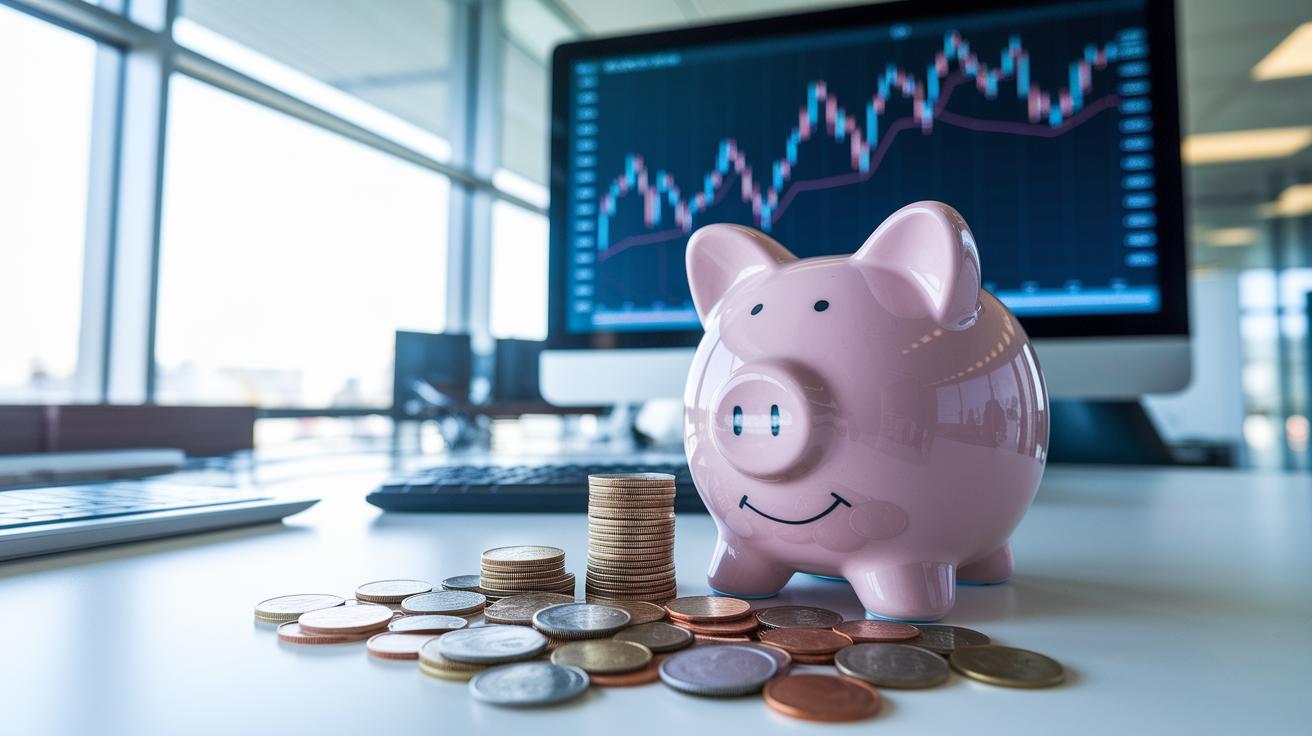
Index funds are a great way to save money. They charge low fees, about 0.09% on average compared to roughly 0.65% for active funds. That means more of your money stays working for you instead of paying extra fees. Imagine putting extra coins into your piggy bank because you didn’t spend them on dining out.
Another big plus is diversification. When you invest in a fund that holds many stocks, say, 500 different ones, you’re not putting your eggs in one basket. It’s like enjoying a balanced meal where even if one ingredient isn’t perfect, the mix is still satisfying and keeps you energized.
Tax efficiency is also a bonus. Since index funds don’t trade often, you face fewer taxes from capital gains. Studies, like the Midyear 2025 US Active/Passive Barometer, even show that passive index funds have outperformed active managers over the past decade. This all adds to making index funds a smart and friendly choice for keeping more of what you earn.
Investing in Index Funds vs. Other Strategies: Fees and Performance

Index funds are a favorite for many investors because they keep costs low and make investing simple. They work like a neat garden, where every little seed (or dollar) has a chance to bloom over time. When you compare them with actively managed funds or ETFs, the numbers often shine more brightly on index funds. For example, only about 16% of active mutual funds outperform the S&P 500 over ten years after fees. It’s like taking a gamble where most bets simply don’t pay off.
Fees play a big role in this story. Index funds usually charge about 0.09% in fees, while active funds often come with a fee around 0.65%. ETFs generally fall in between at about 0.15%. Lower fees mean more of your hard-earned money can work for you instead of being swallowed up by extra charges. Think of it as choosing between a tiny, almost unnoticeable fee and one that slowly eats away at your savings. Over time, even a few extra dollars saved can add up to a big difference, thanks to the magic of compounding.
Active strategies also face a tough challenge. The basic idea behind many financial theories is that all the known facts are already built into stock prices, which makes it really hard for active managers to consistently add extra value. ETFs are a neat middle ground though, they trade like stocks and give you the ability to buy and sell throughout the day, all while tracking the performance of an index.
| Fund Type | Avg. Expense Ratio | 10-Year Outperformance Rate |
|---|---|---|
| Index Funds | 0.09% | Outperform active in 9/10 categories |
| Active Mutual Funds | 0.65% | 16% beat S&P 500 |
| ETFs | 0.15% | Mirror index performance |
Choosing a fund is really about balancing simplicity and cost against the lure of expert selection. For many long-term investors, the steady, low-fee approach of index funds paves a bright path forward that feels as refreshing as a cool breeze on a sunny day.
Investing in Index Funds: Bright Path Ahead

Equity Index Funds
Equity index funds are a favorite for many because they follow big benchmarks like the S&P 500. Take the Fidelity Zero Large Cap Index Fund (FNILX) for example, it comes with a 0.00% expense fee. This means you’re paying nothing extra as it mimics the broad market. Think of it like following a clear roadmap where every stock plays its part so that even if one company slips up, your overall plan stays steady.
Bond Index Funds
Bond index funds bring a sense of calm to your portfolio by offering steady, fixed income. Consider the Fidelity US Bond Index Fund (FXNAX); it invests in a mix of government and corporate bonds to provide stable returns. And if you're after extra security, you might explore Treasury Bond Funds for that added cushion when times get rough. Whether you're leaning toward a conservative approach or simply balancing your investments, bond index funds work like an anchor during turbulent moments.
Specialty and Sector Funds
Specialty and sector funds help you target specific slices of the market. For instance, Invesco QQQM follows the Nasdaq-100, mostly highlighting technology and growth sectors. It’s perfect if you’re looking to add a little spark while still keeping a diversified mix. Plus, many investors are now looking at global funds to tap into returns from emerging markets around the world. This approach can broaden your horizon, just like exploring fresh, new landscapes for growth.
Each of these fund types serves a unique purpose, from low-cost broad exposure with equity funds to the balanced security of bond funds, and the targeted energy of specialty funds. Together, they light up a bright and promising path for your journey in index fund investing.
Investing in Index Funds: A Step-by-Step Guide

Step 1: Define Your Investment Goals
Start by figuring out what you're really aiming for. Are you setting aside cash for a big purchase soon, or are you planning for a comfy retirement down the road? Knowing your goal helps you decide whether you need slow and steady growth or if you can handle a few ups and downs along the way. Imagine it like choosing between a calm stroll and an adventurous hike, each has its own pace.
Step 2: Research and Select Funds
Now, take a look at various index funds. Picture it like picking out the best ingredients for your favorite meal. Look at which benchmark each fund follows, say, the S&P 500, along with things like expense ratios (the fee you pay) and any tracking error (how close it sticks to its target). The idea is to choose a fund that stays true to its plan, just like selecting fresh produce for a tasty dish.
Step 3: Compare Costs and Track Records
Next, compare the fees and past performance of each fund. A lower fee, think around 0.09%, means more of your money is working for you, kind of like choosing a bank that charges less on your savings. By looking closely at these details, you can find the fund that gives you steady gains over time. It's like shopping smart at a store where the best deal means both quality and savings.
Step 4: Choose a Platform or Advisor
Once you've honed in on a few solid funds, decide where you want to invest. Do you prefer the hands-off approach of a robo-advisor, or would you rather manage things yourself with an online platform? Make sure whatever service you pick offers easy account management and keeps fees to a minimum. It's a bit like choosing between a smart gadget that runs itself or one that lets you be part of the process.
Step 5: Implement Dollar-Cost Averaging and Monitor
Finally, set up a plan to invest a fixed amount at regular intervals, this is known as dollar-cost averaging. It helps smooth out the bumps in the market, just like paying a regular bill without surprises. For example, you might set up an automatic monthly transfer into your chosen fund. And remember, it’s wise to check in on your progress now and then, tweaking your plan as life or the market changes.
Investing in Index Funds: Risks and Considerations

Index funds can be a straightforward way to invest, but it's important to understand a few risks first. When you invest in an index fund, you're effectively buying a whole basket of stocks without the chance to pick and choose individual companies. This lack of control might feel a bit awkward, especially if you prefer to avoid certain companies for personal reasons.
Think of it like this: you're riding a roller coaster where every car goes up and down together. In other words, if the market dips, all the stocks in your index fund are likely to dip as well. You won't have the cushion that might come from handpicking specific stocks to try and dodge a downturn.
There’s another little factor to watch out for called tracking error. Even though index funds are designed to mimic their benchmark, slight differences can occur because of fees and the need to keep some cash on hand. These small gaps might seem harmless in calm market times, but they can add up over the long run.
• Limited customization: You end up accepting every security in the index, even if some companies don't match your personal standards.
• Full exposure to market swings: When the market takes a hit, all parts of your portfolio are affected at the same time.
• Tracking quirks: Fund fees and cash holdings can create tiny differences between the index fund's performance and its benchmark.
• Weaker diversification effects: In choppy markets, stocks tend to move in sync, which might lessen the benefits of diversification.
Investing in Index Funds for Retirement and Long-Term Goals

Index funds are a smart starting point for your retirement accounts, like 401(k)s, Traditional IRAs, and Roth IRAs. They keep fees low and are kind on taxes so that more of your money gets to work for you. Imagine putting in $10,000 at about a 7% growth rate every year, after 30 years, you could see roughly $76,000! It’s like watching a small seed slowly bloom into a beautiful flower garden.
Using index funds in tax-advantaged accounts is a neat trick. When you invest here, you enjoy benefits like tax deferral, which means you only pay taxes later. This lets your money compound faster, almost like getting an extra boost. Ever wondered how a little tax planning can change your financial outlook? You might want to glance at some helpful tips in Tax Planning for Retirement.
Target-date index funds add another layer of ease. They automatically adjust the mix of stocks and bonds as you get older. In simple terms, as retirement gets closer, the fund moves toward safer investments. It’s like having a friendly assistant who tweaks your portfolio to keep it balanced as your needs change.
A well-thought-out retirement plan often spreads investments across different areas, just like planting a variety of crops in a garden. This way, you're not relying on just one type of market. For more on this balance, take a look at the insights on Investment Portfolio Asset Allocation.
With low costs, friendly tax treatment, and the power of compounded growth, index funds can light up your path toward long-term financial goals. Every little step counts on your financial journey, don’t you agree?
Final Words
In the action, this article broke down index fund basics, explored their low fees, built-in diversification, and tax benefits, and compared them with other fund types. It also offered a simple five-step guide to help you feel more confident about your choices and explained the risks to watch out for. Investing in index funds can be a smart strategy to support long-term financial success and build wealth steadily over time.
FAQ
What does “Investing in index funds reddit” mean?
The phrase “Investing in index funds reddit” refers to discussions on Reddit where users share personal insights, tips, and experiences about low-cost, diversified funds that mirror major market indexes.
What does “Investing in index funds for beginners” involve?
The idea behind “Investing in index funds for beginners” means starting with simple, low-fee funds that spread your investment across many stocks, making it an easy way to gain diversified market exposure.
What do “Investing in index funds Vanguard” and “Investing in index funds Fidelity” imply?
These terms indicate a focus on reputable providers like Vanguard and Fidelity that offer low-cost index funds. They highlight options with practical features such as zero or very low expense ratios and trusted management.
What is meant by “Investing in index funds pdf”?
The term “Investing in index funds pdf” typically refers to a downloadable guide or resource that explains the basics, benefits, and steps for investing in index funds in an easy-to-read format.
What does the comparison “Index funds vs mutual funds” tell us?
The index funds versus mutual funds comparison highlights that index funds usually offer lower fees and broad market exposure, while actively managed mutual funds try to beat the market but often incur higher costs and fees.
How does “Investing in index funds for Roth IRA” work?
The idea of “Investing in index funds for Roth IRA” means using low-cost, diversified index funds within a Roth IRA to help your savings grow tax-free over time while enjoying benefits like compound growth in retirement.
What does “Investing in index funds 2022” refer to?
“Investing in index funds 2022” refers to analyzing trends and performance of these funds during that year, often highlighting how market events and a focus on low fees influenced investor choices then.
How is it a good idea to invest in index funds?
The notion behind “Is it a good idea to invest in index funds?” means that these funds offer low fees, built-in diversification, and a long-term track record of matching overall market performance, making them a solid investment choice.
What happens if I invest $100 a month in the S&P 500?
The idea behind investing $100 a month in the S&P 500 is that regular contributions can benefit from market growth and compound returns over time, building a diversified investment without trying to time the market.
What if I invested $1000 in the S&P 500 10 years ago?
The thought “What if I invested $1000 in the S&P 500 10 years ago?” suggests that a one-time investment in a broad market index would likely have grown significantly due to overall market returns and the compounding effect over the decade.
How much could $1000 a month grow over 30 years?
Thinking about investing $1000 a month for 30 years implies that regular, disciplined saving in diversified funds could result in substantial growth, as compound interest and steady market gains work together over time.