

Have you ever wondered how sudden changes in the market might shake up your investments? It’s not just one event that causes trouble. Everything from shifting currencies and changing interest rates to unpredictable stock prices can affect your money. Think of it like checking the weather before heading out, knowing what to expect can help you prepare for any storm. In this post, you'll learn about the main factors that shape market risk, so you can plan wisely and keep your financial future safe.
Market Risk Factors and Their Significance

Market risk is all about big market shifts that can hit nearly all your investments, even when you've spread your money around like a well-tended garden. Even a strong, varied mix of investments might lose value if the whole market takes a dip. Want to learn more? Check out what market risk means here: https://mechgurus.com?p=1113. This kind of risk doesn't arise from one single choice, but from changes that ripple across the entire financial scene.
When the market moves, it affects everything, from global trends to the performance of different portfolios in various economic times. This means that understanding these factors is crucial if you want to adjust your approach and avoid falling into major losses. It’s a bit like keeping an eye on the weather before you head out, it helps you make smarter decisions.
Below are the main factors that drive market risk:
- Currency risk
- Interest rate risk
- Liquidity risk
- Commodity risk
- Equity price risk
Each one has its own story. Currency risk shows how a drop in one country’s money value can ripple out and affect investments worldwide. Interest rate risk means that changes in rates might lower the value of bonds or other fixed income assets. Liquidity risk warns that selling an asset may not be as easy as it sounds, especially when you need to get a fair price. Commodity risk looks at how the prices of goods like oil and gas can swing up or down. Lastly, equity price risk covers those ups and downs in stock prices that shape our overall financial world.
All these factors create a challenging yet manageable picture. By keeping a balanced mix of investments, you can try to smooth out the surprises that come with volatile markets.
Price Fluctuation and Volatility Dynamics in Market Risk
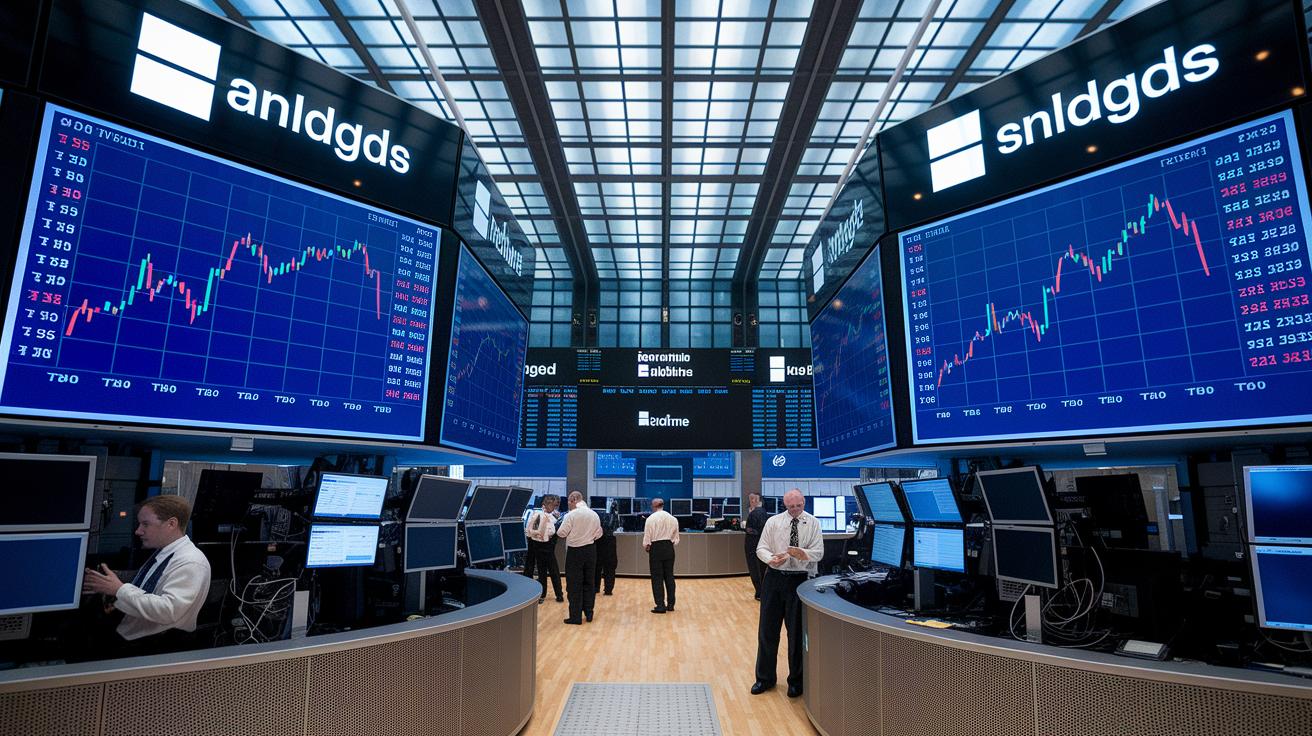
When it comes to market changes, economic volatility is all about how quickly and widely prices can shift. Sometimes the market feels peaceful, and then suddenly prices start jumping around. This pattern, known as volatility clustering, is like watching calm waters turn into choppy waves. Analysts dig into past data and use modern tools to spot these trends, which can sometimes lead to dramatic moves, like when automated trading orders all go off at once.
Here are some common drivers behind these shifts:
- Shifts in market sentiment
- High-frequency trading triggers
- Major economic data releases
- Shocks in commodity supply or demand
Keeping an eye on these volatility metrics is key to managing risk effectively. Financial professionals use these numbers to decide when to pull back on investments or jump in with new positions. Think of it like checking a financial weather report, if prices for things like oil or gas suddenly spike, it might be a signal to change strategy. This ongoing review helps prevent big losses during sudden market shifts and builds portfolios that can stand strong even when surprises pop up.
Liquidity Challenges and Credit Exposure as Market Risk Drivers

Liquidity risk shows how fast you can change your assets into cash. In rough market times, selling something isn’t as easy as you might think because there aren’t many buyers around and prices can be all over the place. Imagine investors scrambling to sell stocks during a downturn and finding very few buyers. This forces prices to drop way below what they should be. We’ve seen real examples where sudden sell-offs in shaky markets leave people struggling to get a fair return.
Credit exposure deals with situations when the other party can’t keep up with their financial promises. For instance, if a company’s credit rating takes a hit, investors might feel forced to sell off the related investments quickly, sparking a chain reaction of sales. Think of U.S. Treasury bonds bought in 2020 that lost around 5% to 10% of their value by 2023 because newer bonds with better returns lured buyers away. This kind of downgrade shakes investor confidence and adds to the uncertainty.
When liquidity challenges and credit issues hit together, the impact can really build up. In a tough market scenario, falling liquidity can mix with rising credit defaults, making everything even more unpredictable. This mix might force many investors to sell their assets all at once, driving prices down further and affecting a wide range of investments.
Geopolitical Events and Systemic Vulnerabilities Impacting Market Risk

Country risk is about the threats that come from things like political unrest, natural disasters, wars, or disease outbreaks. These events can shake a nation's financial ground. When political tensions rise or policies change out of the blue, markets can feel the tremors. Investors might lose confidence, and asset values can shift, sometimes turning a local hiccup into a global headache.
Have you ever noticed how small disturbances can snowball into bigger problems? For example, problems may spread among banks through unsecured loans. Issues in one financial agreement might disrupt others. Even cross-currency changes can spread worry. Here are a few examples:
| Issue | Explanation |
|---|---|
| Interbank contagion | Problems spreading through unsecured bank loans |
| Derivative counterparty failures | Failures in one part of a financial agreement affecting others |
| Cross-currency contagion | Currency risk jumping from one country to another |
Systemic risk is when trouble in one part of the financial system quickly spreads to others. Think of it like a row of dominos, if one falls, the rest might follow. One failing bank or a sudden credit downgrade can send shockwaves through various markets. Keeping an eye on economic indicators and tools that measure market sentiment (like those at https://nftcellar.net?p=2531) can serve as early warning signals. By watching these shifts closely, investors can spot vulnerabilities before they grow into larger financial stress.
Quantitative Models for Measuring Key Market Risk Factors

Quantitative models are like a trusted guide when it comes to handling market risk. They help uncover hidden exposures and give you an idea of potential losses. Investors use these models as a financial compass, guiding their decisions during unpredictable market shifts.
| Model Type | Purpose | Key Metric |
|---|---|---|
| Value at Risk (VaR) | Estimate loss probability | Confidence level (%) |
| Stress Testing | Simulate extreme downturns | Scenario severity index |
| Beta Analysis | Gauge asset sensitivity | Beta coefficient value |
| Scenario Simulation | Model multi-variable shocks | Tail‐distribution measures |
A good approach is to blend these tools into a broader investment plan. For instance, Value at Risk offers a snapshot of expected losses using confidence levels, while stress testing shows you how your portfolio might react during wild market drops. Beta analysis reveals how much an asset might sway compared to overall market moves, and scenario simulation checks the risk across different conditions.
When you compare results from these different methods, you often spot hidden risks that a single model might miss. With these insights, investors can make thoughtful adjustments to their holdings. Regularly reviewing and fine-tuning these models helps you stay ready for sudden market shifts, making risk management a proactive part of your strategy.
Final Words
In the action, we explored how market risk hinges on triggers like currency shifts, interest rate changes, and liquidity concerns. We examined volatility patterns, economic data shocks, and external influences like geopolitical events that all affect investment portfolios.
We also talked about quantitative models, like VaR and stress testing, that help manage and measure these risks.
Keep these key factors in market risk in mind as you build a resilient plan. Finances can be complex, but with steady planning, the future looks bright.
FAQ
What are the factors affecting market risk?
The factors affecting market risk include shifts in currency values, changes in interest rates, varying liquidity, swings in commodity prices, and instability in equity prices—all influencing overall investment loss potential.
What are the four types of market risk factors?
The four key market risks are currency, interest rate, commodity, and equity price risks. These factors pinpoint how different market changes can affect asset values and investor returns.
What drives market risk?
Market risk is driven by economic shifts, investor sentiment, political events, and quantitative measures like Value at Risk. These drivers show the broader forces that can alter market conditions and outcomes.
What are market risk examples?
Market risk examples include a sudden drop in currency values, unexpected interest rate hikes affecting bond prices, and rapid commodity price swings that impact stock valuations in real-world scenarios.
What are the key factors in market risk management?
Key factors in managing market risk involve monitoring currency, interest rate, liquidity, commodity, and equity risks while using tools like Value at Risk and stress testing to gauge and mitigate potential losses.