

Ever wondered if your risk management system is really hitting the mark? When you're dealing with market risks, you need tools that are both reliable and fast. Think of modern risk management platforms like a well-tuned engine that automatically gathers risk data and runs stress tests for you. They make it easier to handle risks by providing clear insights and real-time reports. In this post, we'll chat about how these tools blend accuracy with peace of mind, even when the market gets unpredictable.
Essential Overview of Market Risk Management Tools

Modern risk platforms work like a well-organized toolbox that brings together systems for Enterprise Risk Management, Governance-Risk-Compliance, and special market risk instruments. They gather risk data from one central source so you can see up-to-the-minute reports, let the system run risk checks automatically, and even work together with your team. Imagine financial experts using simulation models to guess future losses, or market volatility models that show how a change in interest rates might lower the value of something like a treasury bond bought a few years ago.
These tools really help out by giving you clear, number-based insights such as Value at Risk (VaR) and by running stress tests and trend checks. All of your risk data lands in one easy-to-reach spot, cutting down on extra work while guiding you to make smart decisions. Whether you’re doing your regular daily checks or need to react fast to market shifts, these platforms make it simpler to manage both planned moves and unexpected surprises.
When financial pros use these robust market risk tools, they can keep a close eye on things like currency swings, changes in commodity prices, or liquidity issues. It’s like having a mix of steady data monitoring and practical simulation models that puts risk control right at your fingertips. This hands-on, clear approach helps balance taking chances with protecting what you have, making sure that checking market risks stays as lively and forward-thinking as the markets themselves.
Key Features of Market Risk Management Tools
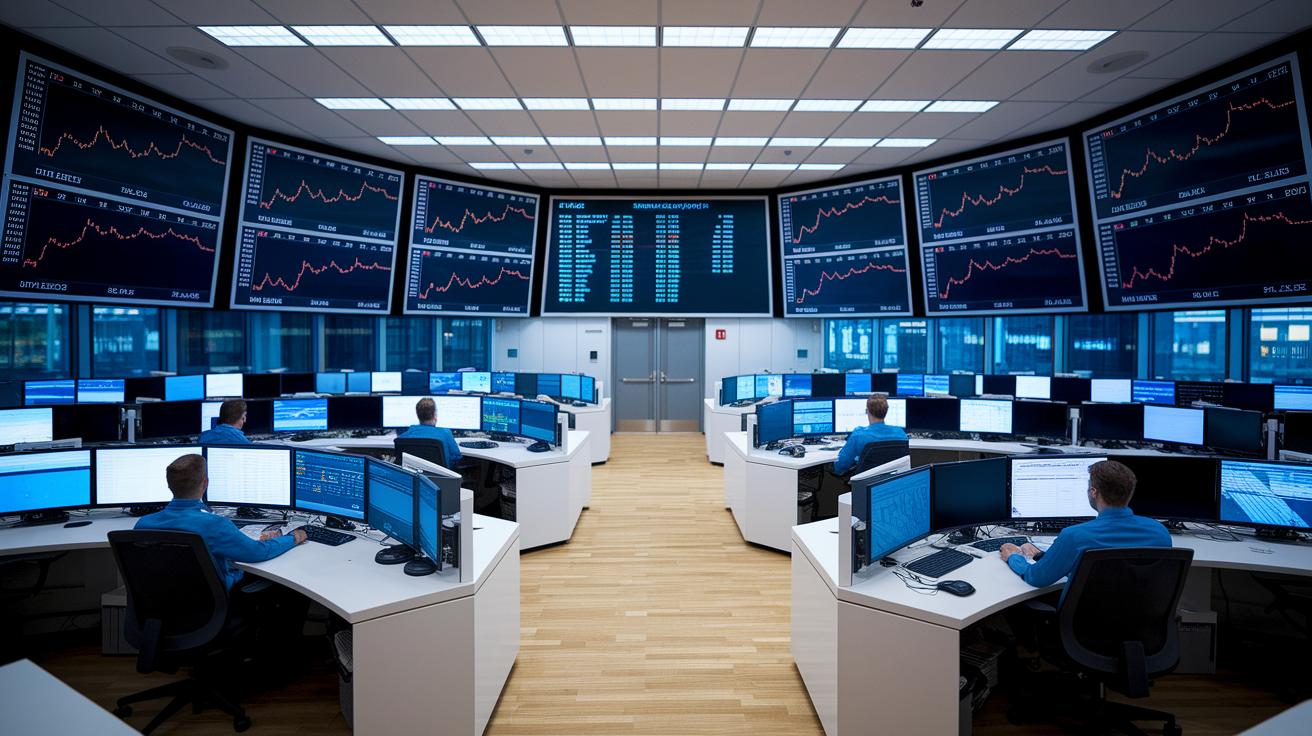
Today’s market risk tools mix smart AI with classic methods to help you see and handle risk clearly. They gather information from trading desks, treasury teams, and compliance groups, then use smart algorithms to spot potential market pressure points. Imagine a control room where a constant stream of data triggers alerts and simulates stress scenarios, letting you tweak your strategy on the fly.
These innovative systems cut down on repetitive tasks and boost decision-making, making it easier to manage market ups and downs. They also enhance user experience by adding advanced features that move well beyond basic dashboards. AI learns from past trends to provide clearer forecasts and actionable insights, while dynamic scenario modeling helps teams prepare for sudden market shifts with realistic simulations.
Key benefits of these risk management solutions include:
- Centralized data from trading, treasury, and compliance functions.
- Real-time dashboards powered by AI that clearly display risks and profit/loss impacts.
- Automated risk assessments that reduce manual work and improve forecast accuracy.
- Built-in collaboration tools that streamline issue tracking and risk mitigation.
- Advanced stress testing and scenario modeling to assess potential market shifts.
- Scalable, user-friendly interfaces that grow with your data needs.
Market risk management tools Spark Success

When you explore market risk management platforms, it helps to line them up side by side to see what makes each one special. If you are looking for solid finance tools that include real-time risk checks, easy teamwork features, and handling of several currencies, you need a solution that does it all. Take a look at the table below, where each tool is explained with its key features and pricing so you can make a smart choice.
Consider Kyriba, for example. This platform is fully based in the cloud and is built to handle liquidity, payments, and working capital. It easily connects with banks and business systems, and it works in more than 11 languages. Then there is Murex MX.3, which offers a strong approach to credit, liquidity, and market risk management by keeping you in line with current rules. SmartRisk focuses on helping advisors by offering clear portfolio reviews and interactive risk scenarios. FactSet brings together multi-asset class tools, performance tracking, and workflow features to simplify even the trickiest assessments. Calypso meets the needs of both buyers and sellers with a platform that handles trading, risk, derivatives, and more, all in one. Finally, FINCAD provides clear risk model details that are crucial for managing portfolios.
By comparing these tools, decision makers can clearly see which options match their specific needs. Each solution supports detailed scenario modeling and stress tests, making them reliable choices for financial businesses that need to predict outcomes accurately and integrate smoothly with their risk analysis systems.
| Tool | Key Capabilities | Pricing Model |
|---|---|---|
| Kyriba | Fully cloud-based for managing liquidity, payments, and working capital; connects with banks and business systems; supports more than 11 languages | Subscription-based |
| Murex MX.3 | Handles credit, liquidity, and market risk management along with regulatory rules | Enterprise pricing |
| SmartRisk | Offers advisor-focused portfolio reviews with dynamic risk scenario tools | Subscription-based |
| FactSet | Provides tools for multiple asset classes, performance tracking, and simple data workflows | Subscription/Enterprise |
| Calypso | Covers trading, risk, derivatives, treasury, and securities for both buyers and sellers | Enterprise licensing |
| FINCAD | Offers complete portfolio management with clear risk model documentation for full compliance | Enterprise pricing |
Integrating Market Risk Management Tools with Enterprise Systems

Linking your risk management tools with enterprise systems brings all your important data together in one spot. When you connect banks, ERP systems, and live market feeds like Kyriba, you get a complete, up-to-date view of your financial risks. It’s like watching a live financial dashboard that shows every twist and turn, so you’re always prepared for what’s next.
This smart system does more than just collect data, it helps you take action. For instance, ServiceNow updates asset details as soon as devices are added or removed. Snowflake blends live market stats with your business data so your reports refresh automatically. And Workday keeps track of HR events like training sessions or staffing changes that could affect your risk profile.
Here’s a quick look at what you get:
| Benefit | Description |
|---|---|
| Consolidated Data | All your key information from banks, ERPs, and market feeds in one place. |
| Real-Time Updates | Instant asset changes from ServiceNow keep your dashboard current. |
| Automated Metrics | Snowflake automatically combines live market stats with business data. |
| HR Integration | Workday links training and staffing changes to your risk profile. |
Imagine this as your financial safety net, helping you watch your risks and respond quickly as market changes occur. It’s like having a trusted, friendly advisor right by your side, ready to guide you through every twist and turn.
Real-World Success Stories

Companies have found better ways to handle market and everyday risks by using smart tools like AuditBoard and ZenGRC. AuditBoard pulls together risk, compliance, and audit information into a single, easy-to-use system. This setup helped them see risks 49% more clearly and track problems faster. One firm even saw their risk managers communicate so well during tough market times that it led to clear, actionable plans. On the flip side, ZenGRC, which launched on September 5, 2024, connects regulatory compliance with risk oversight. This means fewer manual audits and fewer cyber-risk incidents.
A side-by-side look at these tools shows just how powerful they can be:
| Tool/Example | Key Benefit | Success Metric |
|---|---|---|
| AuditBoard | Brings risk and audit management together | 49% deeper look at risk and faster issue tracking |
| ZenGRC | Links compliance with market risk oversight | Less manual auditing and reduced cyber risks |
| Treasury Bond Scenario | Ongoing risk checks and scenario testing | Early detection of issues when interest rates rise |
These real-world examples show that clear insights combined with fast data gathering can really boost how companies control risks in changing markets. Thanks to these tools, businesses can keep a steady hand on operations, avoid doing the same checks over and over, and quickly adjust when challenges pop up.
Future Trends for Market Risk Management Tools

Market risk management is changing fast. Companies are now using smart systems to help them watch out for and predict potential risks. These tools work a bit like a weather forecast, using past data to give a hint about what might come next.
Powered by AI, these systems run simulations to see how different market moves could affect risk levels. In simple terms, imagine a control center that updates every market move in real time, just like watching your favorite sports game where every play is broken down immediately.
Some key trends to watch include:
- Fully connected platforms that bring together risk, compliance, and audit data in one easy-to-use system.
- Smart models that use AI to forecast market changes by looking at historical patterns.
- Advanced dashboards that mix clear trend analysis with dynamic scoring, making it faster for teams to decide on their next move.
Final Words
In the action, we examined market risk management tools that break down exposures, provide real-time dashboards, and support cohesive enterprise integrations. We reviewed key features, compared leading software, and highlighted successful case studies. The discussion shed light on how stress testing, scenario modeling, and predictive trends empower families and businesses to make confident decisions. By simplifying complex risks, these tools help set the stage for proactive financial planning. With clear insights and practical examples, there's plenty of reason to feel optimistic about advancing your financial strategy.
FAQ
What is market risk management?
The market risk management approach involves monitoring and handling risks from price shifts, currency changes, and liquidity issues to protect investments and operations.
What are the 4 types of market risk?
The 4 types of market risk include interest rate moves, currency fluctuations, commodity price shifts, and liquidity challenges that can affect financial performance.
What are the main tools used for risk management?
The main tools used for risk management consist of measurement metrics like Value at Risk, stress testing, scenario modeling, and trend analysis, which help gauge potential losses.
What are the 5 C’s of risk management?
The 5 C’s of risk management refer to evaluating factors such as character, capacity, capital, conditions, and collateral, supporting comprehensive credit risk analysis.
What are market risk management tools for banks?
The market risk management tools for banks are specialized systems that provide real-time risk assessments, centralized data, and automated dashboards to support decision making.
Are there free or PDF market risk management tools available?
There are free versions and PDF guides available for market risk management tools that offer practical insights and techniques for banks and businesses to handle market risks.
What are market risk examples?
Market risk examples include scenarios such as interest rate changes, currency oscillations, commodity price variations, and liquidity shortages, all of which can impact financial stability.