

Have you ever stopped to think if your team can handle an unexpected setback? Good risk management is like a safety net that catches problems before they grow. From noticing early signs to quickly acting on them, each step can turn a challenge into a win. Curious about how to build a team that works together smoothly? Let’s dive into some simple, practical tips.
Core Elements of Risk Management Best Practices

Risk management helps you plan for surprises, both the bumps and the unexpected wins on your project journey. It’s about getting ready for anything that might change your goals. When leaders back this process, everyone on the team stays alert and ready to spot problems before they grow. Starting with a clear idea of what risk management means is like laying down a safety net that keeps your project steady, even if unexpected challenges come your way.
A strong system for managing risk does more than just protect your work, it keeps your operations humming along and can even boost your competitive edge. By planning ahead and thinking about how to handle risks, companies lower the chance of sudden setbacks and help everyone perform better. When every team member gets involved in spotting, understanding, and responding to risks, issues are dealt with quickly and turned into chances to improve.
Here’s a simple breakdown of the risk management process:
- Identify risks
- Assess the likelihood and impact
- Develop response strategies
- Monitor and review the controls
By following this cycle, you continuously check for issues and adjust your plans as needed. Teams stay flexible, and small problems are handled before they can derail your goals. This ongoing review not only builds trust among your staff but also creates a work environment where everyone feels empowered to help the project succeed.
Step-by-Step Hazard Analysis for Risk Management Best Practices

Creating a risk register is a simple and effective way to track potential hazards. Start by setting up columns for the date, a short description of the risk, and a score from 1 to 5 that tells you how likely the risk is and how big its effect might be. Next, assign someone to keep an eye on the risk and note any planned fixes. This shared document lets team members from different areas add their thoughts, making risk spotting a team effort.
Mixing words and numbers is a smart way to understand each risk’s seriousness. Descriptive words help explain what the risk is all about, while numbers (using the 1–5 scale) let you compare the risks easily. For example, a risk that gets a 5 for likelihood is almost certain to happen, and a 4 for impact means it could cause big problems. Combining these methods gives you a clearer picture of any challenges ahead.
Try a five-step approach to analyze hazards. First, plan by setting your goals and rules. Next, record every risk you can think of. Then, study the data to see what it all means. After that, rank the risks by priority so you know where to focus first. Finally, write everything down. Each step builds on the one before, keeping your risk review clear and proactive.
Implementing Preventive Control Guidelines in Risk Management Best Practices
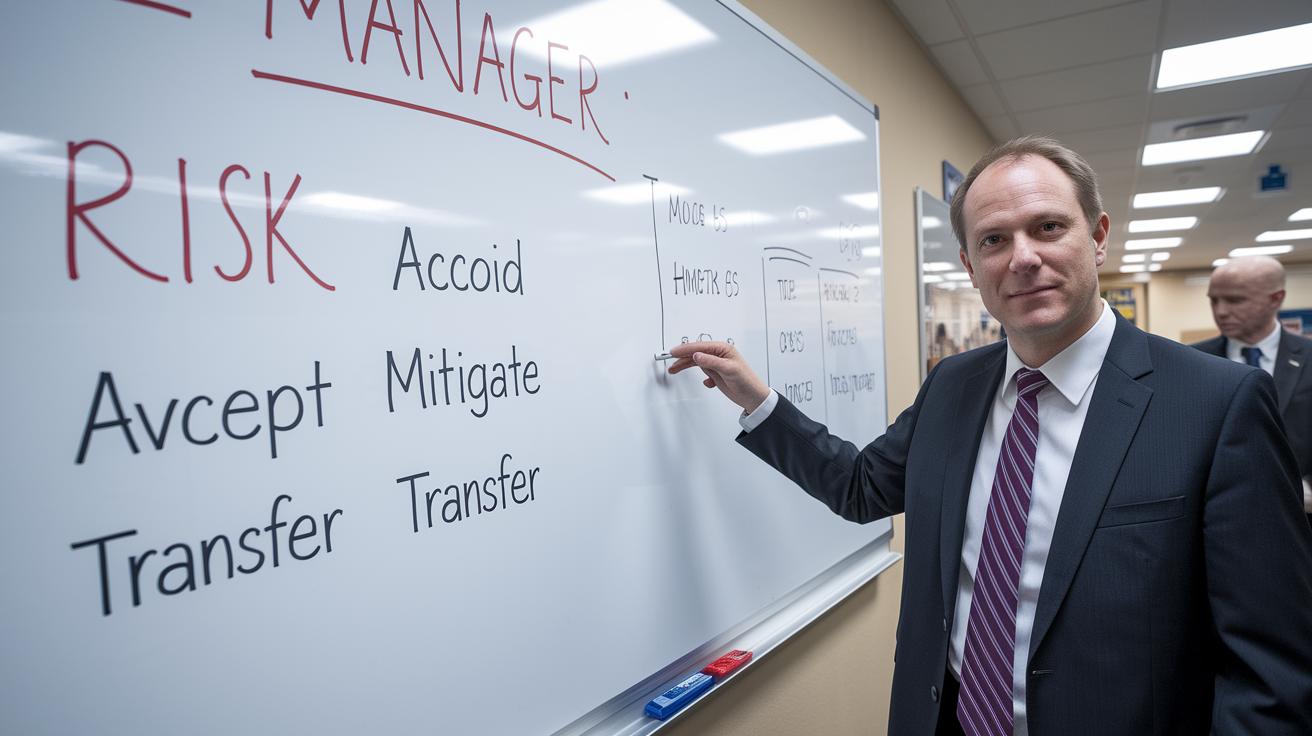
When a company faces challenges, it usually has four ways to deal with them. First, there’s avoidance. This means staying away from projects that might cause trouble. Then, there’s acceptance. If a risk is very small, like a tiny budget mix-up, it can be tolerated. Mitigation is about taking steps like boosting data security to make a risk less harmful. And finally, transference means shifting the risk to someone else, like using insurance to cover potential costs. Each of these strategies helps keep things smooth and steady.
Next, businesses follow a six-step control process to organize these risk responses. It starts with design, where teams plan how to handle the risks they find. Then comes approval, management gives the green light to the plan. After that, the measures are put into action during implementation. Next, everything is documented for future reference. Training follows so everyone knows what to do. Lastly, validation makes sure the controls are working as they should, creating a strong system for managing risks.
One practical way to keep everyone on the same page is by drawing hazard control diagrams. These diagrams work like simple maps that show every step and checkpoint in the risk control process. They help the entire team see how risks are managed and confirm that each safety step is in place, making the whole process more clear and effective.
Continuous Monitoring and Dynamic Control Measures for Risk Management Best Practices

Check your risk list every week so your team can quickly add any new worries or update old ones. This regular habit keeps your project on track and helps you spot small problems before they turn big. Weekly meetings also encourage everyone to openly share insights, keeping your risk management approach proactive.
Pick clear limits for what counts as a likely or serious risk. With these set, your system can automatically send out an alert when things get too high, like a friendly smoke alarm for your project. For example, if a risk hits a level of 4 or more, everyone is instantly notified. That way, team members and leaders can see major risks and address them without delay.
Hold regular meetings to talk about any alerts or recent risk events. These check-ins give the team a chance to chat about what worked and what didn’t, fine-tune strategies, and update controls as needed. This ongoing discussion helps your risk management tactics grow and improve right along with your project.
Leveraging Integrated Analytics for Risk Management Best Practices

Modern risk management tools bring all your risk information together in one friendly view. With one dashboard, you can easily spot the issues that really matter. Using these tools, teams mix numbers with real-life insights. For example, imagine a colorful screen showing risk scores right next to quick notes from team members. This approach makes it simple for everyone to see problems and take action fast.
Predicting risks is another important piece of the puzzle. By using forecasting methods, companies can spot warning signs before they turn into bigger problems. You can think of it like noticing your garden's soil drying out, when you see the change, you know it’s time to water it. By analyzing trends over time and adjusting your plans when things change, you keep your risk management strategy on track.
Measuring how well things are working is crucial, and that’s where performance tools come in. Tools like KPIs (Key Performance Indicators) and KRIs (Key Risk Indicators) help you check if your controls are doing their job. If a key risk measure stays high, it might be time to add extra safety steps. These tools make sure every decision you make is clear, measurable, and ready for improvement.
Strategic Threat Mitigation: Real-World Risk Management Best Practices Examples
In 2024, a data breach cost companies an average of $4.88 million. But with AI-powered automation, many organizations are seeing big savings and even cutting down supply-chain problems by 40% through smarter vendor management. These numbers show that having a solid risk strategy can actually help your team turn challenges into opportunities.
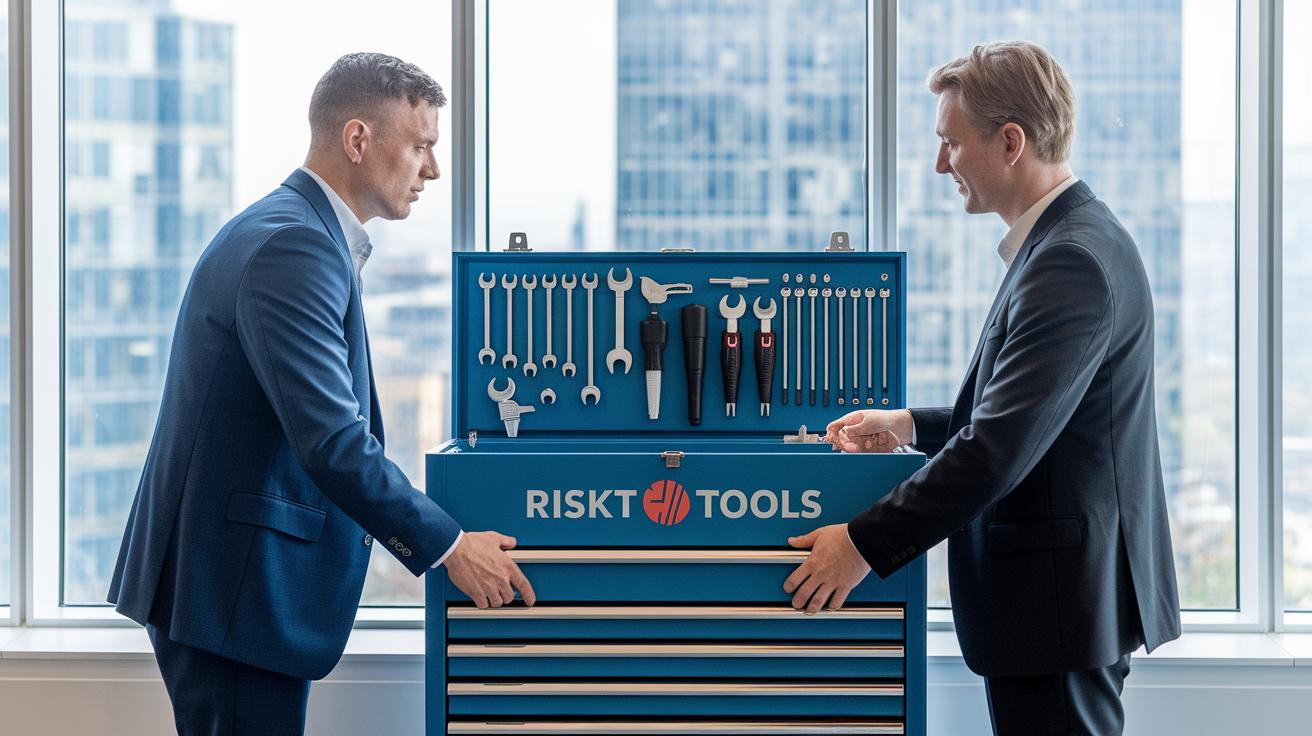
Imagine your risk strategy as a trusty toolbox filled with smart, tested methods. You might try out business experiments, build up financial and resource cushions, prepare a backup plan, and set up quick-response systems that work like a well-oiled machine. Add in teamwork across different areas, real-time monitoring, intuitive forecasting, friendly employee training, regular risk check-ups, and a data-informed approach to tweak your plans. Each of these steps is a way to turn potential threats into a competitive edge.
| Industry | Challenge | Best Practice |
|---|---|---|
| Finance | Cybersecurity breaches | Enhanced monitoring and real-time risk scoring |
| Manufacturing | Supply-chain disruptions | Vendor oversight and strategic buffer stock |
| Healthcare | Data privacy concerns | Strict compliance protocols and AI-powered controls |
When you look at industries like finance, manufacturing, and healthcare, it’s clear that these practices really work. They not only protect your business but also strengthen your overall operations by preparing your team to act quickly and smartly. With clear, actionable plans, risk management stops being just a safety net and starts to drive your business forward. For more details on these ideas, check out Risk Management Strategies.
Final Words
In the action, this article highlighted how risk management best practices help simplify uncertain events. It showcased a clear cycle, identifying risks, assessing their outcomes, developing response strategies, and reviewing controls. We also walked through hazard analysis steps, preventive control guidelines, and continuous monitoring tactics that make financial planning solid. Integrated analytics and real-world examples further prove these strategies boost confidence and strengthen asset protection. Keep applying these insights to make smarter, proactive decisions for a brighter financial future.
FAQ
Q: What does a risk management best practices pdf typically include?
A: The risk management best practices pdf typically outlines steps like risk identification, assessment, response, and monitoring. It also gives clear examples and guidelines to help organizations protect their assets.
Q: What are 4 common risk management techniques?
A: The four common risk management techniques include avoidance, acceptance, mitigation, and transference. These methods let businesses choose options based on how they want to handle each risk.
Q: What is the risk management process and what are its steps?
A: The risk management process involves identifying threats, assessing their potential impact, planning responses, and continuously reviewing outcomes. A seven-step example may guide organizations through each phase clearly.
Q: What are some risk management strategies, examples, and types?
A: The risk management strategies cover creating risk registers, regular reviews, and setting response plans. Examples include handling operational or financial risks, with real-world cases showing how companies protect their interests.
Q: What is a risk management framework and why does it matter?
A: The risk management framework is a structured system that helps identify, assess, and manage risks. It matters because it organizes the process, so companies can reliably protect assets and maintain stability.
Q: What are the 5 best practices, principles, R’s, or T’s of risk management?
A: The five key elements involve clear risk identification, thorough impact assessment, effective response planning, ongoing review, and solid communication. These principles serve as simple guides to keep risk under control.