

Ever wondered how some traders stay calm when the market shifts quickly? They use a simple strategy called risk management trading, which is like a safety net for your investments. Imagine having a shield that helps you dodge big losses while letting you enjoy steady gains. In this post, I'll share easy techniques that give traders the confidence to face challenging market days. Stay with us to see how a basic three-step plan can turn your trading routine into a secure, worry-free journey.
Risk Management Trading Fuels Confident Market Gains
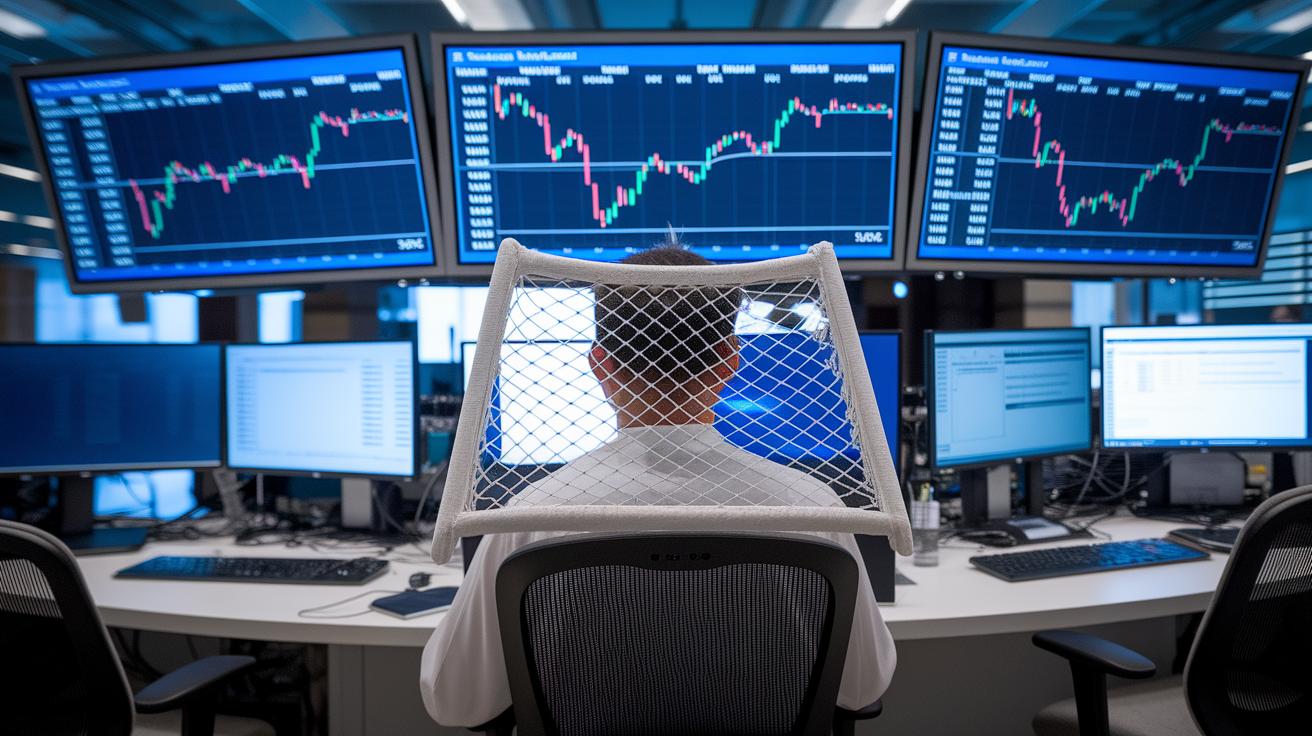
Risk management in trading is like building a safety net around your investments to help you chase gains with less worry. Think of it as a strong shield that protects your money when the market gets a little rough. With these simple techniques, traders can avoid big losses and feel secure even when prices take a sudden dip.
Market risks come from many different places. Rising prices, wild weather, or unexpected political changes can all shake up the market and threaten your money. Knowing about these risks means you can quickly adjust your strategy and be ready for anything the market throws at you.
The process is straightforward, kind of like following a three-step recipe. First, spot any potential problems. Next, figure out how much each risk might cost you, just like checking a price tag before you buy. Finally, set up safety steps, like stop-loss orders or smart trade sizes, to keep losses small. This easy three-step plan keeps your trading strategy solid and helps you stay calm as you work toward steady market gains.
Stop-Loss Orders and Position Sizing Rules in Risk Management Trading

Setting up clear stop-loss orders and figuring out the right position size are simple ways to keep your trading safe when markets get wild. Think of these steps like trusty safety belts for your investments that help limit risks when prices take a sudden turn.
Stop-Loss Order Types
Fixed stop-loss orders work like a safety net that automatically closes your trade once the price dips to a level you’ve set. This means you always know your worst-case scenario. On the other hand, trailing stop orders move along with the market when prices go in your favor, locking in extra gains while still protecting you if the market turns around.
Calculating Your Position Size
Position sizing is all about matching your comfort level with the size of your trade. A common method is the 2% rule, which means you risk no more than 2% of your total account on a single trade. For example, if you have a $10,000 account, you risk just $200. To do this, consider the gap between your entry price and your stop-loss, which will help you decide how many shares or contracts to buy. This approach helps balance the chance of earning more without risking too much on any one trade.
Steps to follow:
- Decide the most you are willing to lose on a trade.
- Set your stop-loss level based on that risk.
- Calculate the right size of your trade.
- If you use a trailing stop, set its details.
- Watch your trade and adjust as needed.
Using these clear steps, you can keep a closer eye on risk and stay prepared for any shifts in the market.
Risk/Reward Ratio Planning and Diversification Strategy in Risk Management Trading

Planning your risk and reward is at the heart of any strong trading approach. When you measure how much you could gain compared to what you might lose and spread your investments around, you build a cushion against sudden market swings. Think of it like this: if you set a ratio of 2.0, for every $1 you risk, the goal is to make $2. It’s like putting together a safety net that helps keep you steady when the market gets bumpy.
| Ratio | Potential Gain | Potential Loss |
|---|---|---|
| 2.0 | $2 | $1 |
| 1.0 | $1 | $1 |
| 0.5 | $0.50 | $1 |
Now, let’s talk about diversification. Imagine mixing several ingredients when you cook your favorite meal, each part brings something unique, making the whole dish more balanced. By investing in different assets like stocks, ETFs, commodities, and currencies, you protect yourself from one single market crash. Regularly checking and updating your portfolio is like giving your car a tune-up; you keep everything running smoothly. If one part grows much faster than others, rebalancing helps restore the mix, kind of like adjusting a recipe to get the perfect flavor. This steady method of reviewing, trimming, and shifting funds lets you handle market ups and downs while aiming for steadier gains over time.
Case Studies in Risk Management Trading

Back in 2008, the collapse of Lehman Brothers really highlighted how weak risk management systems could be. When their controls for counterparty risk and stress testing fell short, even small market shifts quickly turned into big losses. That event served as a clear reminder that strong risk controls are essential for handling unexpected market changes.
Then, in 2010, the Flash Crash rattled everyone. High-speed computer trading played a big part in a sudden sell-off that left many scrambling. It was a wake-up call that even tiny delays or mistakes in these algorithms can result in huge, fast losses. This incident led to a push for tools like real-time monitoring, dynamic loss-limit rules, and circuit breakers. Traders even started looking into market sentiment trends analysis to better keep track of rapid market moves.
- Run regular stress tests
- Set up dynamic loss-limit rules
- Use real-time alerts and circuit breakers
- Mix up algorithmic strategies
These lessons remind us that a well-rounded risk management approach is a must. Keeping systems updated and flexible can make a big difference, even when the market gets rough. Have you ever thought about how a small tweak in your strategy could save you during turbulent times?
Advanced Modeling and Algorithmic Safety Protocols in Risk Management Trading

Risk management in trading has come a long way from simple methods to smart, AI-supported systems that really help you keep an eye on risks. Today’s setups blend clever modeling techniques with stress tests and auto-alert features. With handy dashboards and real-time monitoring, traders can quickly catch all the little shifts in market trends. This tech means you can try out, analyze, and polish your risk tactics before you commit your own money.
Python Backtesting for Risk Models
Using Python for backtesting is now a trusted way to check how well your trading ideas might work. Traders set up easy-to-follow rules like fixed stop-loss points and set profit targets while letting simulations replay old market conditions. This helps you see clearly how different entry and exit moves could change your results. For example, a Python script might run through hundreds of pretend trades, mapping out each exit on a chart to show clear patterns. It’s like a practice run, letting you fine-tune your algorithm until it fits your comfort zone.
AI-Driven Dashboards and Automated Alerts
Modern AI-driven dashboards give you a clear view of all the key numbers. These systems, sometimes called risk intelligence tools, use smart triggers to send real-time alerts when a market number reaches a set limit. When that happens, you get a quick notification so you can act fast. These automated alerts also tie directly into clear, actionable advice, so decision-making becomes a breeze. You can even tailor the alerts to be as sensitive as you need, ensuring that no important market change slips unnoticed. With constant monitoring and built-in stress tests, every critical shift is tracked, keeping your overall risk firmly in check.
Building a Comprehensive Risk Management Trading Plan

If you're trading to protect your money and reduce stress during market ups and downs, having a clear, written risk management plan is key. Writing your plan forces you to consider your limits and keeps you on track when the market gets choppy. It also helps tame your emotions because you have a set of clear, structured rules to follow, even when things feel unpredictable.
- Risk appetite assessment tool (a way to measure how much risk you're comfortable taking)
- Stop-loss and position sizing guidelines (clear rules for when to exit a trade and how big each trade should be)
- Scenario stress-testing framework (a method to see how your plan would hold up in different market situations)
- Automated alert system setup (an automatic system that notifies you when market levels hit your set points)
- Compliance and policy review schedule (regular check-ups to make sure your plan still fits changing rules and goals)
- Trading psychology checkpoints (moments to pause and make sure your emotions aren’t taking over)
Laying out your plan with these elements makes it easy to check and tweak your strategy as market conditions change. For instance, using a risk appetite tool lets you know the maximum loss you're okay with, while stop-loss rules set boundaries for each trade. Testing your plan under different market scenarios may expose hidden weak spots before they cause trouble. An automated alert can give you a quick heads-up if the market starts shifting in ways that affect your trades, so you can take action immediately. And by reviewing your compliance rules on a regular schedule, your plan stays aligned with both market shifts and your personal goals.
Sticking to a written plan means you’re always fine-tuning it. Regular reviews and small updates keep your strategy flexible so you can adjust your rules as the market mood changes. This steady discipline helps you maintain a balanced approach, setting you up to thrive whether the market is calm or stormy.
Final Words
In the action, we've explored risk management trading fundamentals and practical steps to protect your capital. We covered essential controls like stop-loss orders and position sizing, along with risk/reward planning and diversification to keep your exposure in check.
Real-life market events and current modeling techniques illustrate how these strategies work in practice. Embracing risk management trading not only sharpens your decision-making but also builds a solid base for long-term financial success. Keep moving forward with confidence!
FAQ
Q: Risk management trading pdf
The risk management trading pdf provides clear guidelines on identifying and controlling trade risks. It serves as a quick reference to help traders understand steps for monitoring market movement and reducing potential losses.
Q: Risk management trading calculator
The risk management trading calculator estimates appropriate trade sizes by using your account balance and stop-loss levels. It helps traders keep losses small and adjust positions based on market conditions.
Q: Risk management trading strategy
The risk management trading strategy outlines steps for identifying risks, setting stop-loss orders, and calculating position sizes. This approach helps traders keep their capital safe and smooth out downturns.
Q: Types of risk management in trading
Types of risk management in trading include using stop-loss orders, position sizing methods, risk/reward analysis, and diversification. Together, these techniques help limit losses and protect trading capital.
Q: Risk and money management in trading PDF
The risk and money management in trading PDF explains key concepts like stop-loss orders and position sizing. It offers practical advice on managing capital and minimizing losses while trading.
Q: Risk management trading forex
Risk management trading forex focuses on setting stop-loss levels, sizing positions correctly, and applying risk/reward strategies. This keeps forex traders protected against sudden market swings and unfavorable moves.
Q: Risk management trading app
A risk management trading app provides tools such as real-time monitoring, automatic position sizing, and stop-loss alerts. It empowers traders to control risk directly from their mobile devices.
Q: Risk management trading Reddit
Risk management trading discussions on Reddit offer community insights and real-world tips. Traders share experiences with setting effective stop-loss orders and optimizing position sizes during different market conditions.
Q: What is the 1% rule in trading?
The 1% rule in trading means risking only 1% of your total account on a single trade. This strategy helps minimize losses and protect overall capital during down periods.
Q: What is the 2% rule in trading?
The 2% rule in trading implies wagering no more than 2% of your account balance on any trade. It is a method designed to safeguard your funds from significant losses over time.
Q: What is the 3-5-7 rule in trading?
The 3-5-7 rule in trading is a guideline for adjusting risk or position sizes in stages. Traders may use this method to incrementally modify their exposure while keeping overall risk in check.
Q: Can I make $1000 per day from trading?
Making $1000 per day from trading depends on your skills, market conditions, and risk management practices. While it is achievable for some, it requires experience, discipline, and realistic goal-setting.